
The Art of Darkness project is expanding its European network. Following an open call, eleven cities have been selected to join the initiative as Follower Cities, contributing to a growing movement exploring how a thoughtful balance of light and darkness can enrich cultural heritage and the experience of public space at night.
The project is currently developing and testing five pilot trials at cultural heritage sites across Europe. These pilots investigate how darkness-sensitive design, light art and co-design processes can create meaningful, inclusive and sustainable experiences in historic urban environments after dark. The newly selected cities will engage with the project’s research, artistic experimentation and knowledge exchange activities, helping extend the impact of the initiative beyond the pilot locations.
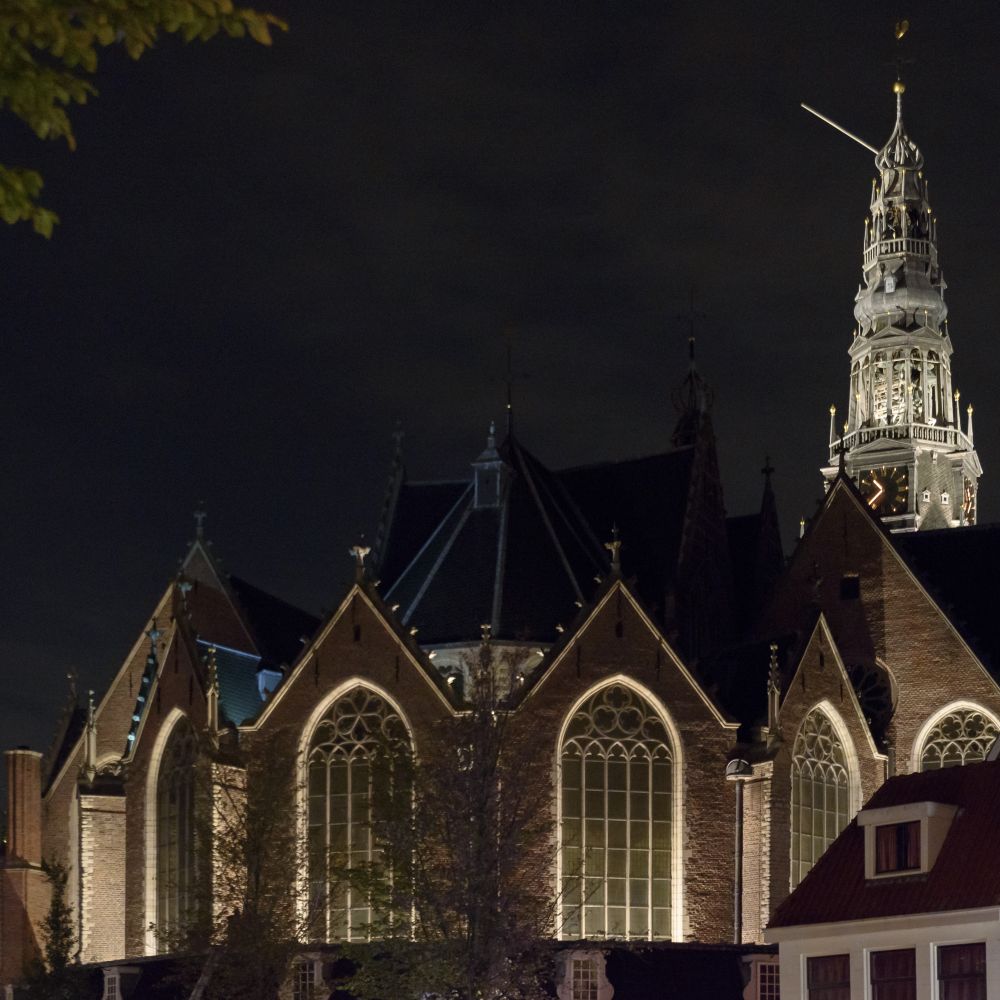
Amsterdam (Netherlands)
With its rich cultural heritage and vibrant public life, Amsterdam is seeking new ways to balance safety, sustainability and the preservation of the natural night environment. The city already works to limit unnecessary lighting to reduce ecological disruption and maintain natural day-night rhythms for both residents and wildlife.
By joining Art of Darkness, Amsterdam aims to explore how carefully designed lighting and darkness can enhance the cultural experience of the city while maintaining environmental balance. The city is particularly interested in co-design approaches, working with local communities to create inclusive and ecologically responsible night-time environments.
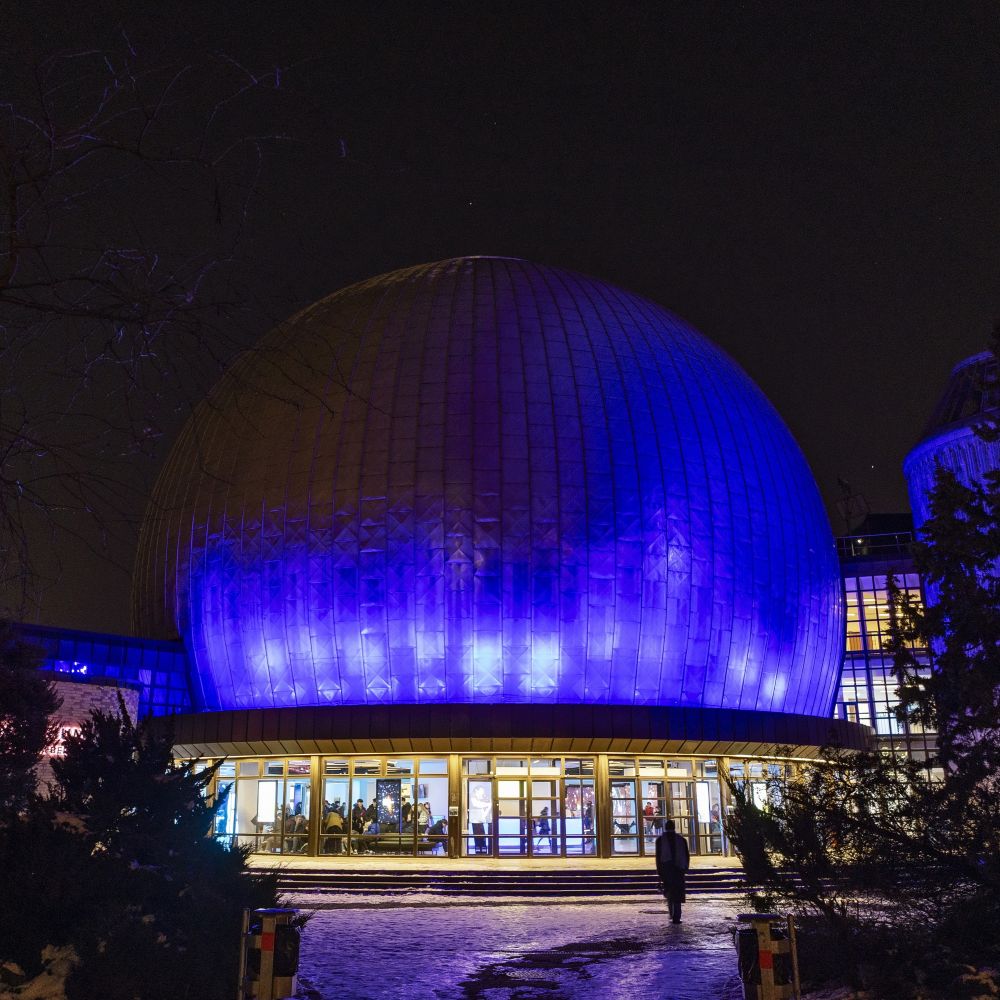
Berlin – ZGP, ASTW & Bezirksamt Pankow (Germany)
The Berlin district of Pankow joins the project through the Stiftung Planetarium Berlin, which brings together several major astronomical institutions including the Archenhold Observatory and the Zeiss Großplanetarium. These venues welcome more than half a million visitors each year and play an important educational role in connecting citizens with the night sky.
Through Art of Darkness, the district aims to promote a new approach to artificial lighting in culturally significant urban landscapes. The initiative will support dialogue around monument lighting, responsible lighting practices and nighttime cultural experiences, while encouraging collaborations that respect both the night environment and the character of historic sites.
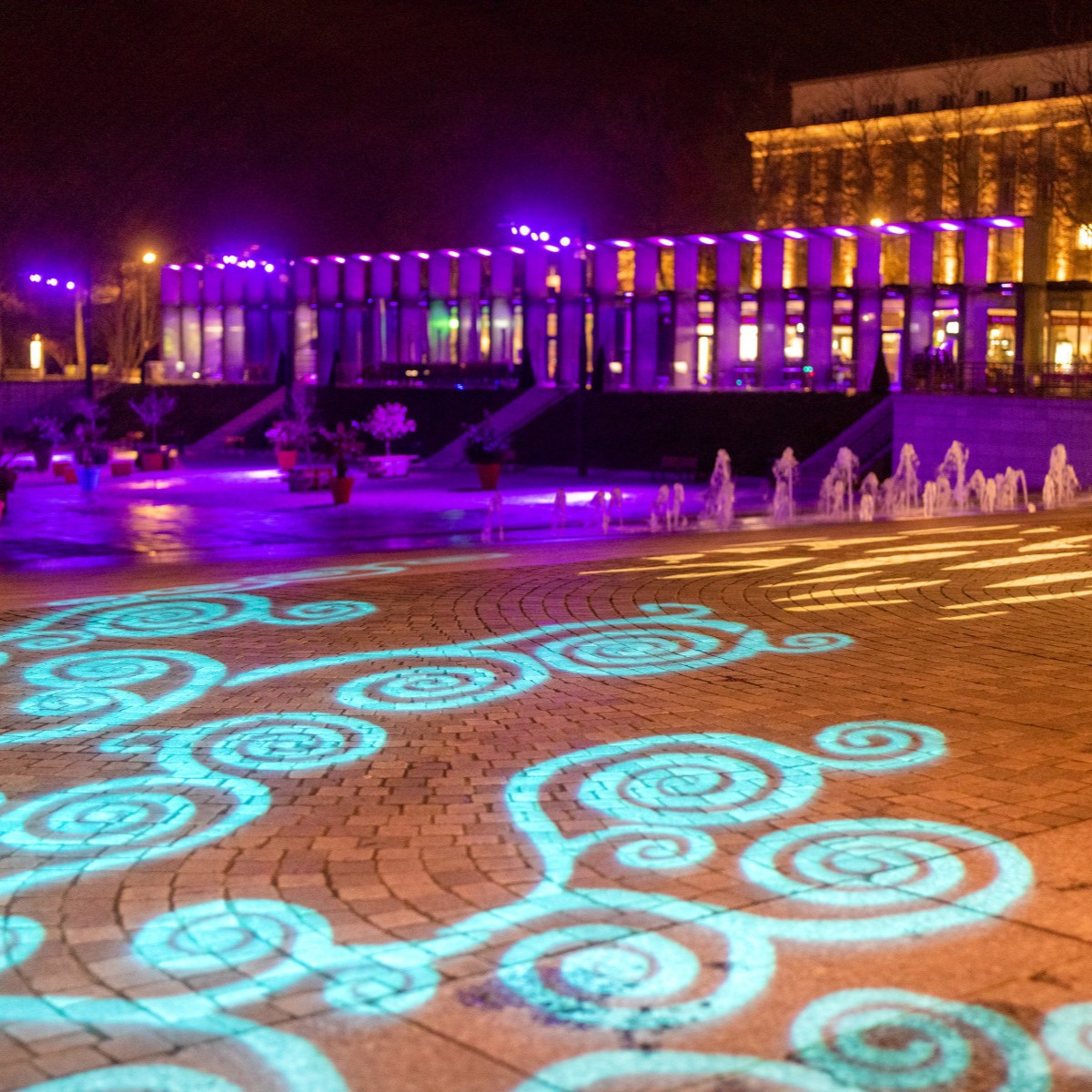
Brest (France)
Brest Métropole has been developing an integrated approach to public lighting that addresses biodiversity, climate and energy challenges. The city is already implementing several strategic frameworks related to night-time environments, including its nocturnal ambience coherence scheme and broader sustainability strategies.
Participation in Art of Darkness will allow Brest to extend this work by integrating participatory approaches and New European Bauhaus principles. The city is also involved in the Darker Sky Interreg project, which focuses on restoring biodiversity through reduced light pollution, and plans to share experiences from its coastal pilot sites with the wider Art of Darkness network.
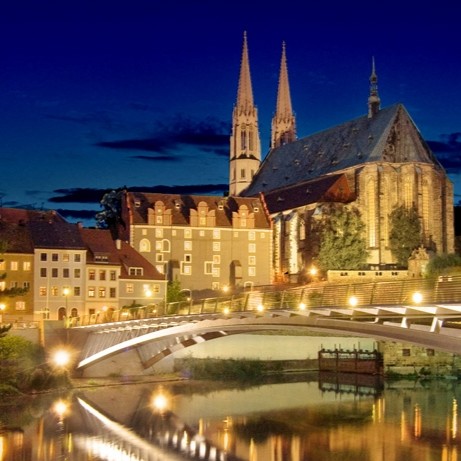
Görlitz (Germany)
Görlitz possesses one of Europe’s most remarkably preserved historic centres, with more than 3,600 architectural monuments spanning five centuries. From Gothic to Art Nouveau, the city’s urban landscape offers a unique cultural heritage setting.
Unlike many historic cities, Görlitz has maintained a restrained approach to night-time lighting, with relatively limited façade illumination and signage. Through Art of Darkness, the city aims to explore best practices for lighting heritage sites while preserving the character of its distinctive nightscape and fostering a sustainable relationship between society and artificial light.
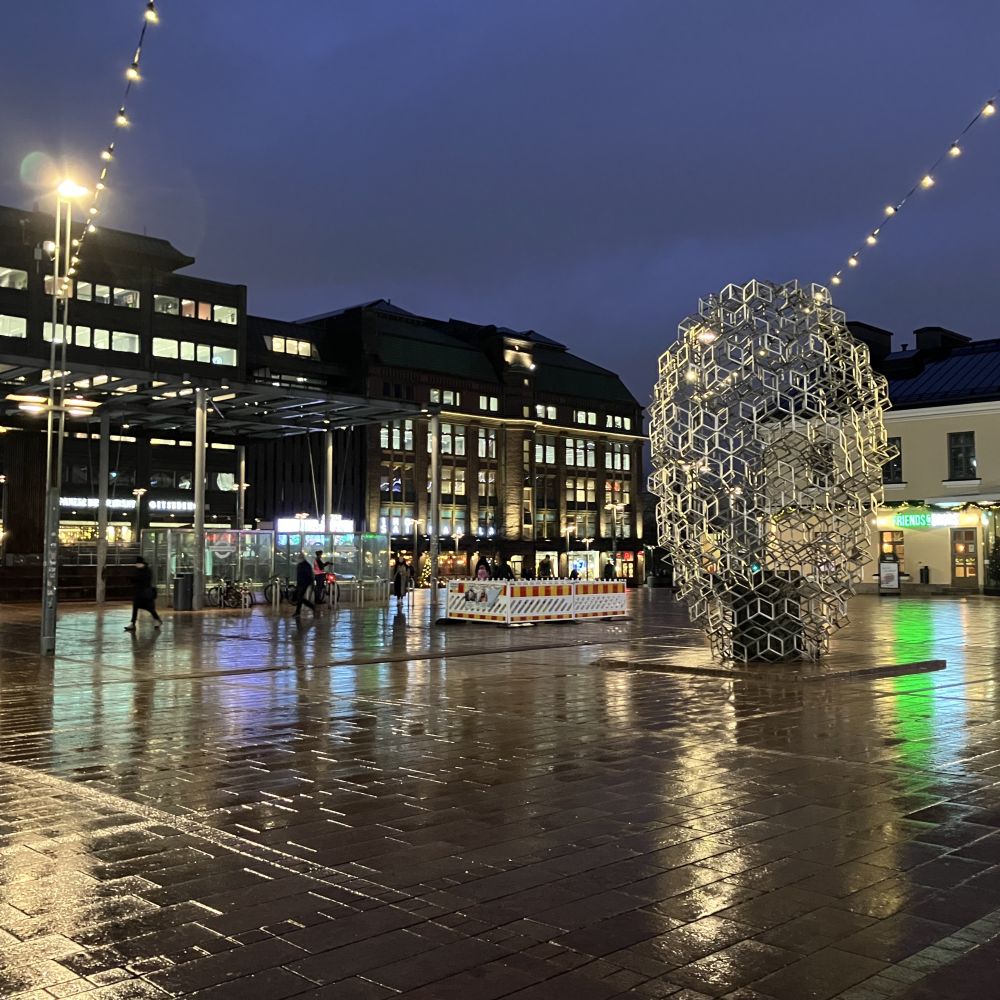
Helsinki (Finland)
Helsinki is currently developing a new lighting masterplan aimed at creating a more coherent and dynamic nightscape across the city. The strategy includes the identification of dark areas and new approaches to lighting design in natural landscapes and along the city’s extensive seafront.
The Art of Darkness project aligns closely with these ambitions. The city is particularly interested in the role of light art, smart lighting technologies and darkness-sensitive design in shaping healthier and more meaningful urban environments. Helsinki also collaborates with LUX Helsinki, the annual light art festival that attracts large audiences and showcases innovative artistic approaches to light.
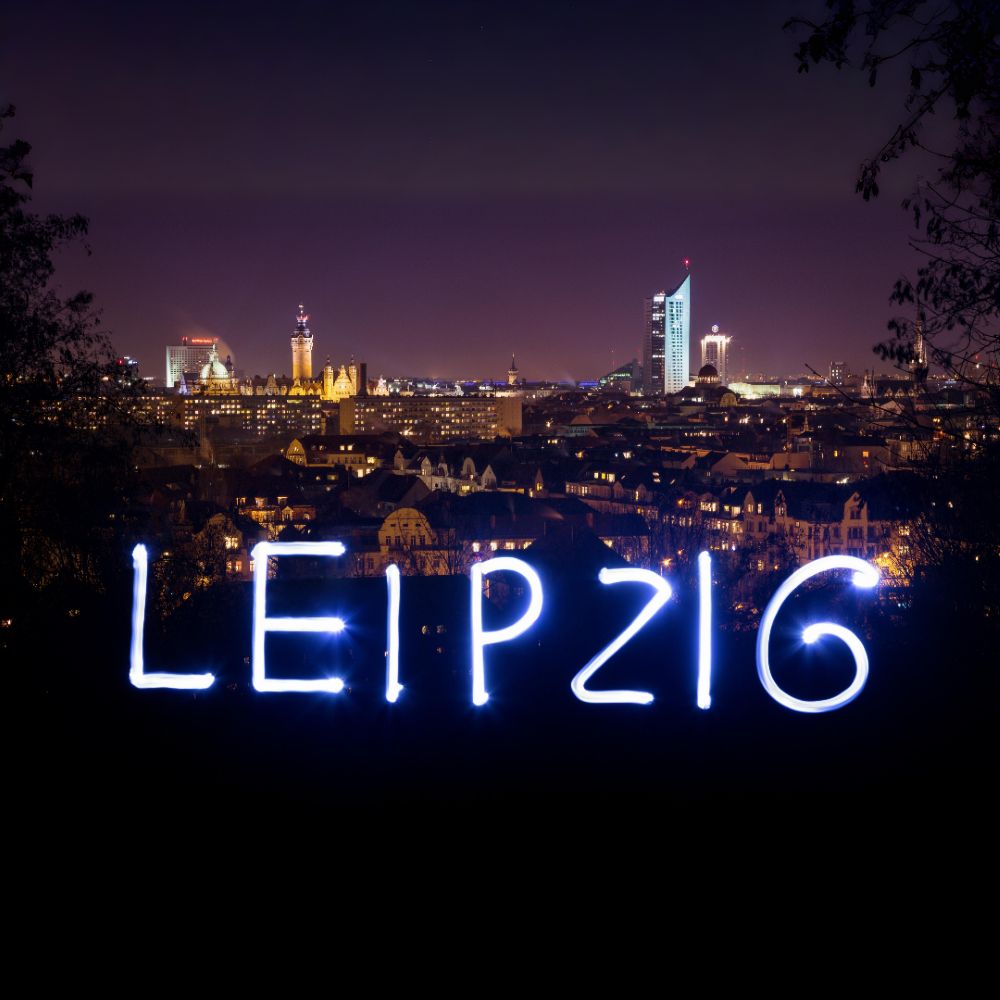
Leipzig (Germany)
Leipzig’s urban lighting strategy has evolved over several decades and now includes a strong focus on light-sensitive areas within the city. These zones aim to protect flora, fauna and human wellbeing by limiting or avoiding artificial lighting where possible.
Within these areas are landmarks, artworks and small architectural elements that serve as gathering places for residents but ideally remain largely unlit. Through Art of Darkness, Leipzig hopes to explore new ways to balance the preservation of darkness with the desire to highlight important places and ensure safety in the public realm.
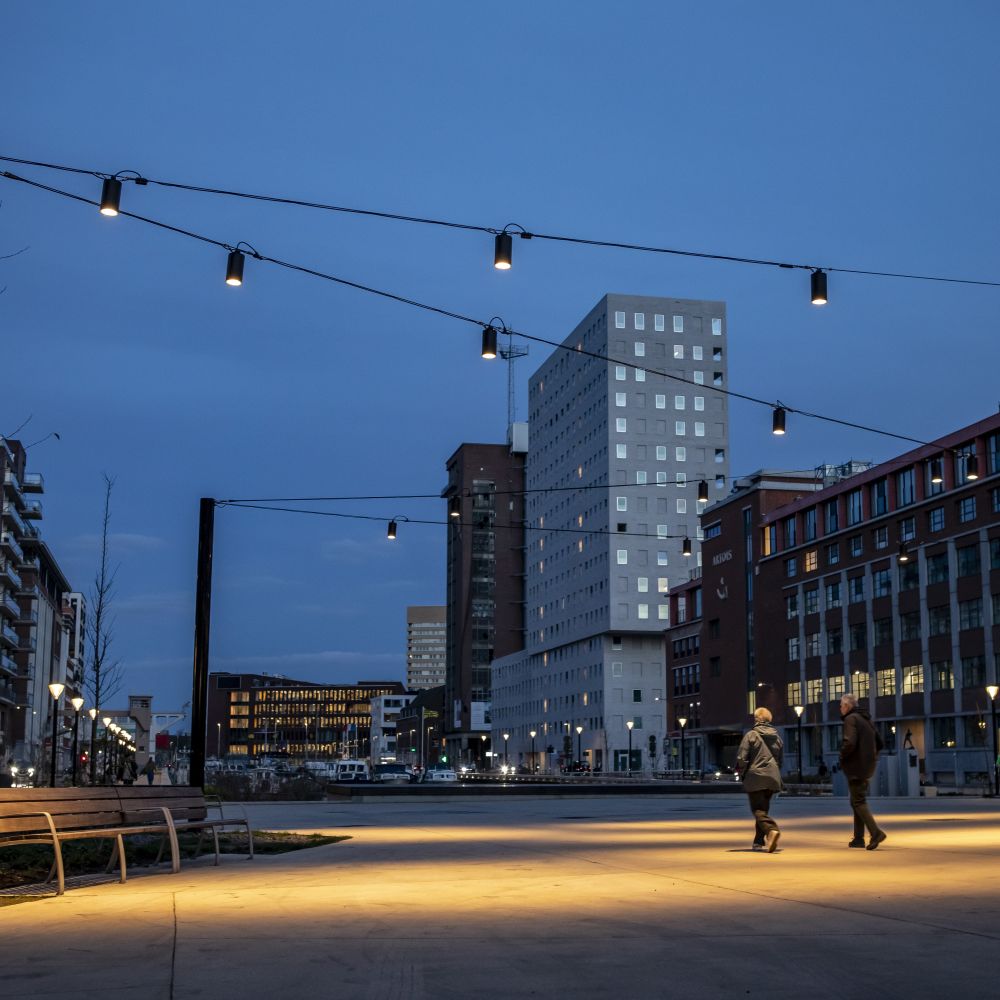
Leuven (Belgium)
Leuven, one of the five Flemish cities of art, has a historic centre deeply shaped by its medieval heritage. At the same time, the city is strongly engaged in climate action, investing in greening, cooling and nature-based solutions across its urban spaces.
This transformation is also reshaping the city’s night-time environment. By joining Art of Darkness, Leuven aims to better understand how the interplay between light and darkness can support ecological goals while enhancing the experience of heritage sites. The city plans to apply co-design approaches involving residents, students, cultural actors and visitors.
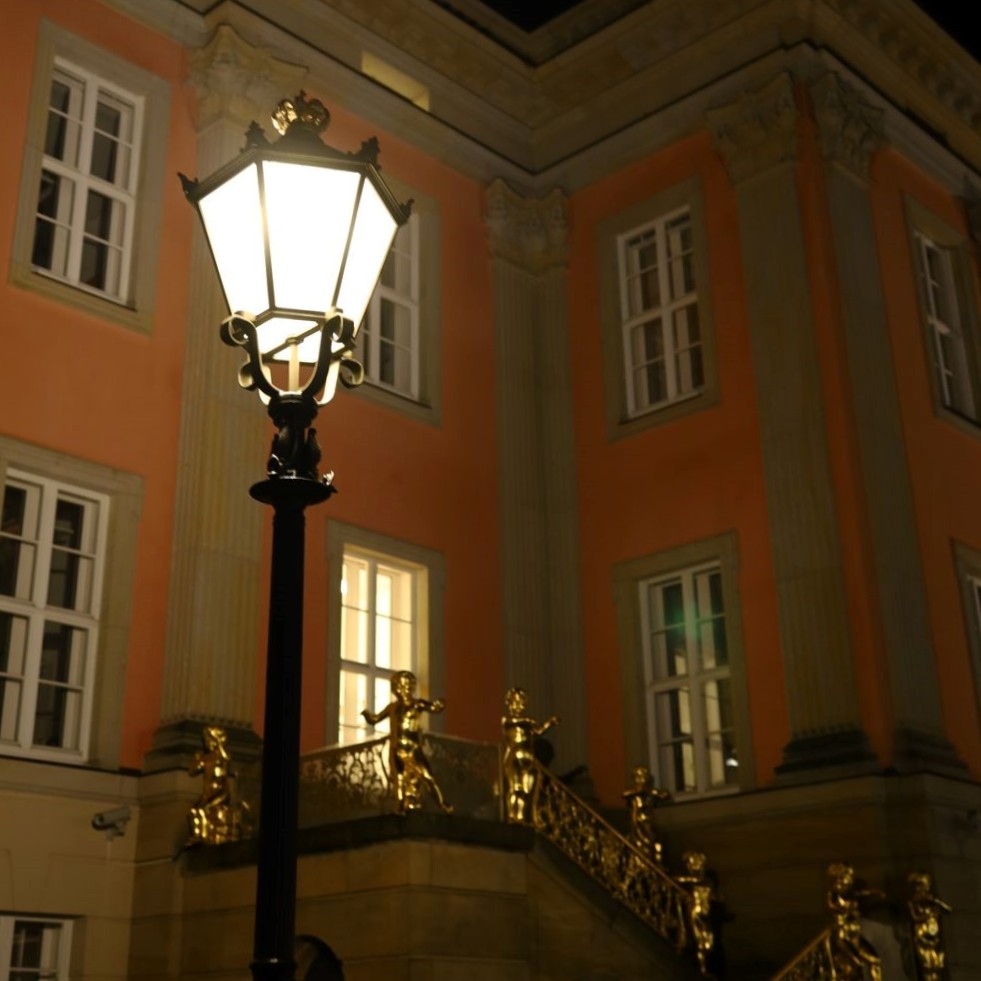
Potsdam (Germany)
Potsdam’s historic parks and palaces form part of a UNESCO World Heritage Site, and the historic city centre lies within the protected buffer zone. Public lighting in these areas already uses historically appropriate luminaires that respect the architectural context.
However, new environmental regulations are pushing the city to rethink its lighting strategy and reduce light pollution. Participation in Art of Darkness offers an opportunity for Potsdam to integrate innovative approaches to heritage illumination into its upcoming lighting masterplan while maintaining safety and accessibility for residents and visitors.
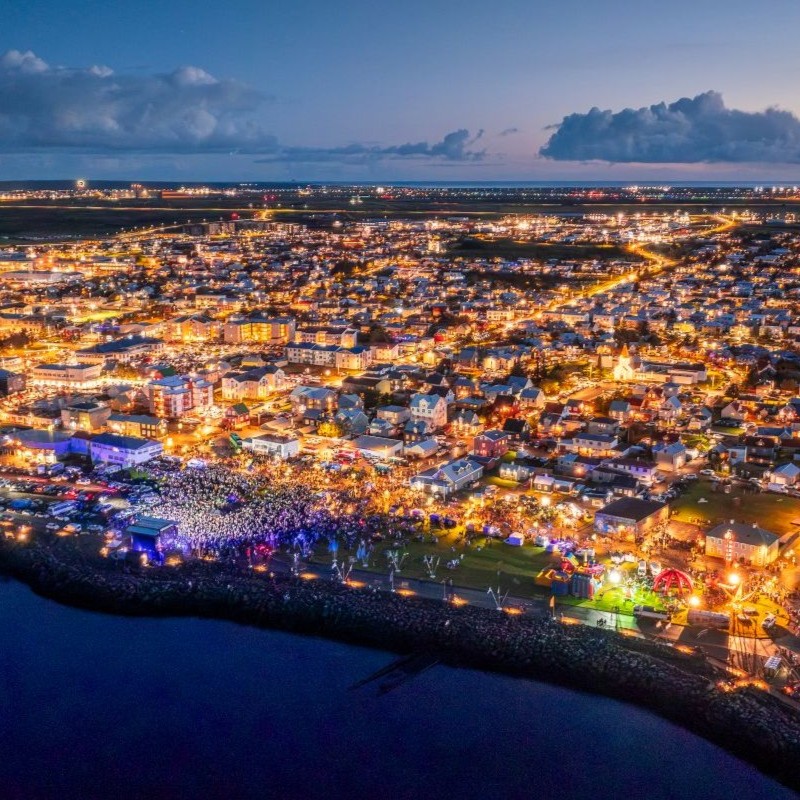
Reykjanesbær (ICELAND)
Located on Iceland’s southwestern coast, Reykjanesbær brings the perspective of a northern coastal town where darkness is closely linked to seasonal rhythms and local identity. The municipality is interested in exploring how darkness-sensitive design, light art and co-design approaches can enrich public spaces while improving ecological balance and reducing unnecessary lighting.
The city is currently advancing work on a local lighting policy and improving public lighting quality, while connecting lighting to community life through cultural events. Through Art of Darkness, Reykjanesbær aims to learn from the project’s pilots and peer network while contributing its own experience of designing night-time environments in a northern coastal context.
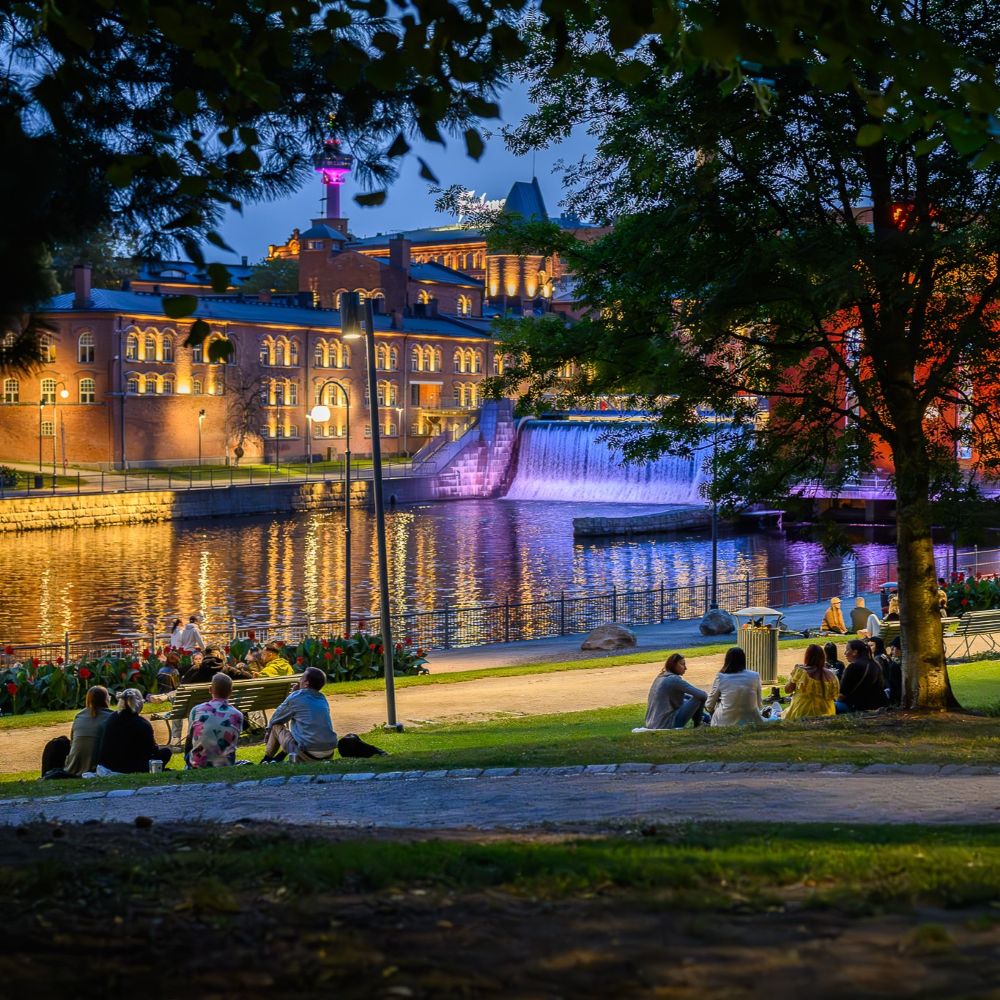
Tampere (Finland)
Tampere aims to develop a structured and forward-looking approach to urban lighting, particularly during the long Nordic dark season. The city has already adopted principles of ecological lighting, including the identification of dark zones to protect biodiversity and limit light pollution.
Upcoming renovations at heritage sites such as Pyynikintori and Hatanpää Arboretum provide opportunities to test new approaches. Through Art of Darkness, Tampere hopes to combine creativity, participation and sustainability in shaping the future of its urban nightscape.
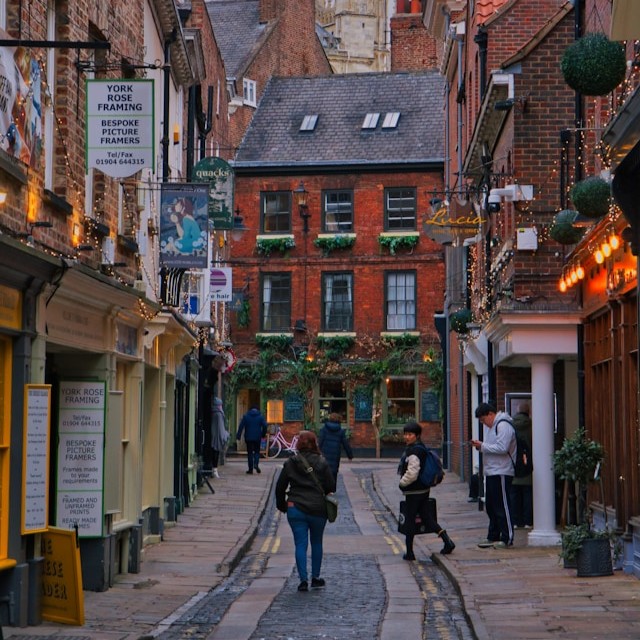
York (United Kingdom)
York is an ancient city known for its rich medieval heritage and vibrant creative sector. As the UK’s only UNESCO City of Media Arts, it combines historic identity with a dynamic cultural economy.
The city’s ambition is to become the UK’s first Dark Sky City, reducing light pollution while maintaining a lively and welcoming city centre. Through Art of Darkness, York seeks to explore new forms of night-time cultural experiences, including atmospheric light art and carefully designed darkness that respect the historic urban fabric while diversifying the city’s evening economy.
What it means to be a Follower City
As Follower Cities, the eleven selected municipalities will participate in a two-year learning journey. They will gain access to the project’s research results, design strategies and artistic approaches to urban lighting and darkness.
Follower Cities will take part in educational sessions and participate in regular exchanges with the project partners and peer cities. At the same time, they will help raise awareness locally about the importance of well-balanced nightscapes, where darkness is not seen as a problem to eliminate, but as a valuable dimension of urban life.
From Followers to Replicators
Among the ten Follower Cities, three have also been selected as Replicator Cities: Amsterdam, Görlitz, and Potsdam.
While Follower Cities engage primarily in learning and knowledge exchange, Replicator Cities take the process a step further. They will apply the Art of Darkness approach directly in their own local contexts, developing a pilot site inspired by the project’s methodology.
With tailored support from the project’s research team, Replicator Cities will test the Art of Darkness Piloting Model, adapting its principles of darkness-sensitive design, artistic experimentation and community co-design to their own heritage environments. The results of these local experiments will be presented at the project’s final conference.
By bringing together pilot sites, Follower Cities and Replicator Cities across Europe, the Art of Darkness project is building a growing network of municipalities committed to rethinking the role of darkness in the urban landscape — not as an absence of light, but as an essential element of sustainable, cultural and meaningful night-time environments.
Photos: © Alphons NIeuwehuis, City of Amsterdam; Pedro Becerra; City of Brest; City of Görlitz; Philipp Kirschner; Jan Pollers; City of Potsdam; City of Reykjanesbaer; City of Tampere; Richard James, Unsplash