
At the LUCI Cities & Lighting Summit 2026 in Oulu, the Art of Darkness project hosted an interactive workshop exploring how darkness itself can become a meaningful resource in the design and experience of urban cultural heritage.
Titled “Art of Darkness – Co-creation and storytelling”, the session brought together researchers, city representatives, lighting designers and artists involved in the project’s pilot sites across Europe. Moderated by Henrika Pihlajaniemi, project coordinator at the University of Oulu, and Jasmine van der Pol, Senior Programme Manager at LUCI Association, the workshop invited participants to rethink the role of darkness in the urban night – not as an absence of light to be corrected, but as a quality to be understood, preserved and creatively explored.
The discussion unfolded through a series of short presentations and exchanges with the audience, structured around three key themes of the project: understanding experiences of darkness, co-designing lighting interventions with local stakeholders, and exploring the narrative potential of light art.
Understanding how people experience darkness
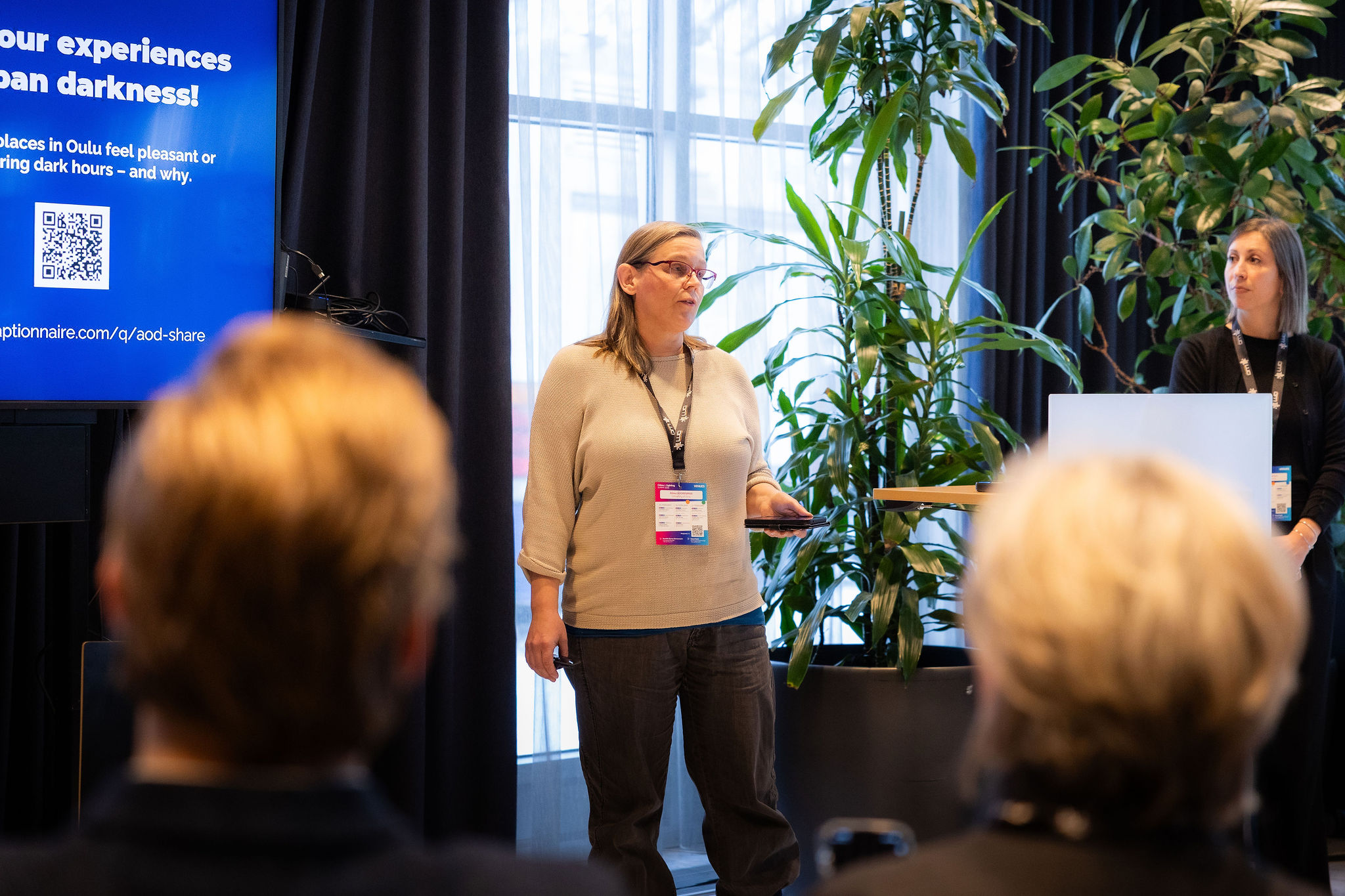
The first part of the session focused on how cities and researchers can better understand the way people experience darkness in public space.
Presenting ongoing research activities within the project, Julieta Cignacco (Aalborg University) and Riikka Vuorenmaa (University of Oulu) introduced methods used to map people’s perceptions of urban darkness. These include walking interviews, participant produced photos and GIS-based crowdsourcing tools that invite residents to identify places they perceive as pleasant or uncomfortable after dark.
Such approaches aim to capture situated, multisensory experiences of night-time environments, generating insights that go beyond traditional lighting metrics. By involving participants directly in the exploration of urban darkness, these methods help reveal how emotions, memories and spatial perception influence how people relate to night-time spaces.
The research ultimately seeks to translate these insights into design decisions for darkness-sensitive lighting, allowing lighting strategies to respond not only to technical requirements but also to human experience.
Co-designing night-time environments with local communities
A second focus of the session explored how co-creation processes can support the development of more sensitive and context-aware lighting interventions.
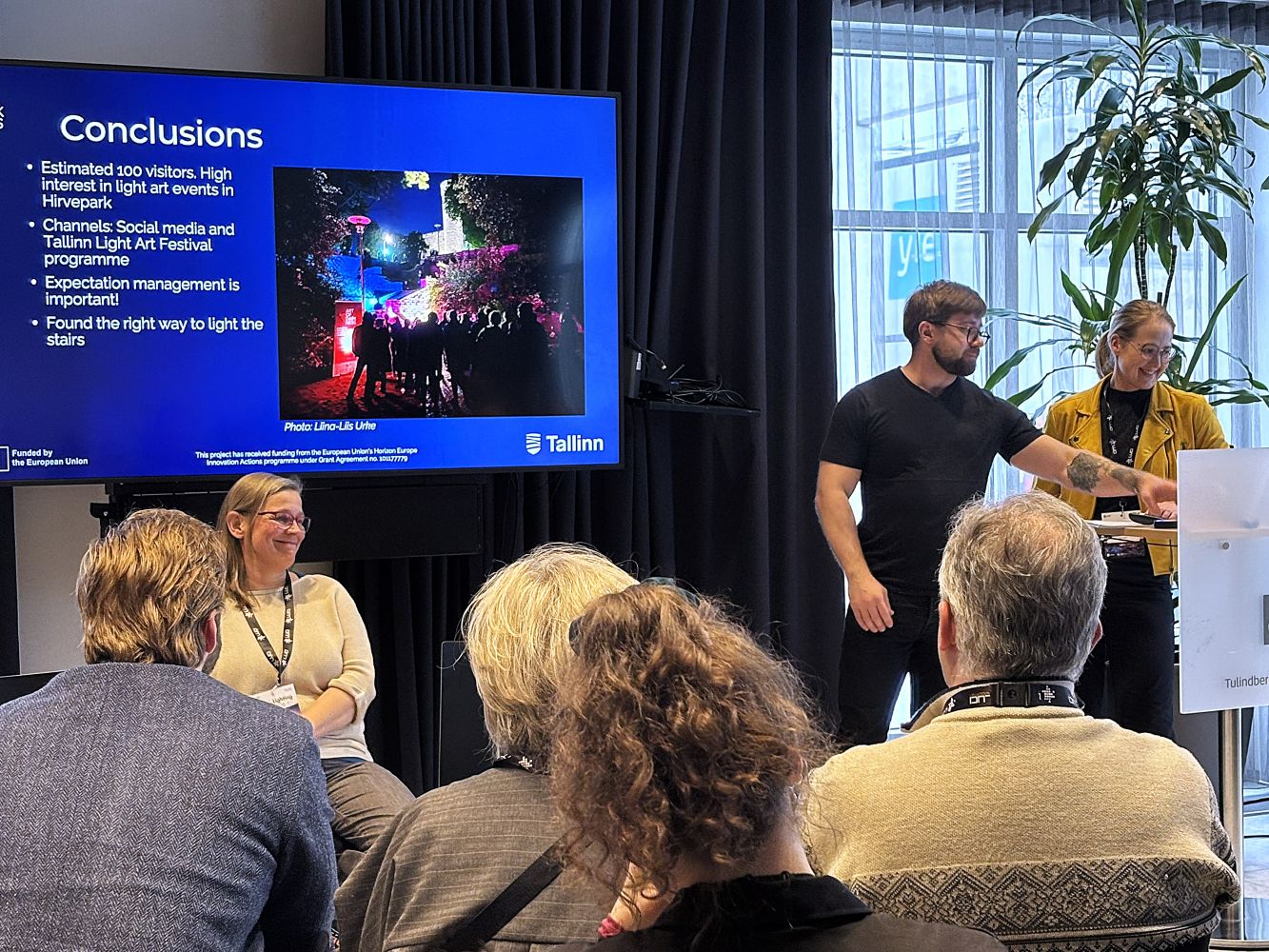
Drawing from pilot projects in Oulu and Tallinn, Eini Vasu (City of Oulu) and Joan-Tähven Vene (City of Tallinn) described how local authorities, researchers, designers and citizens collaborate throughout the design process.
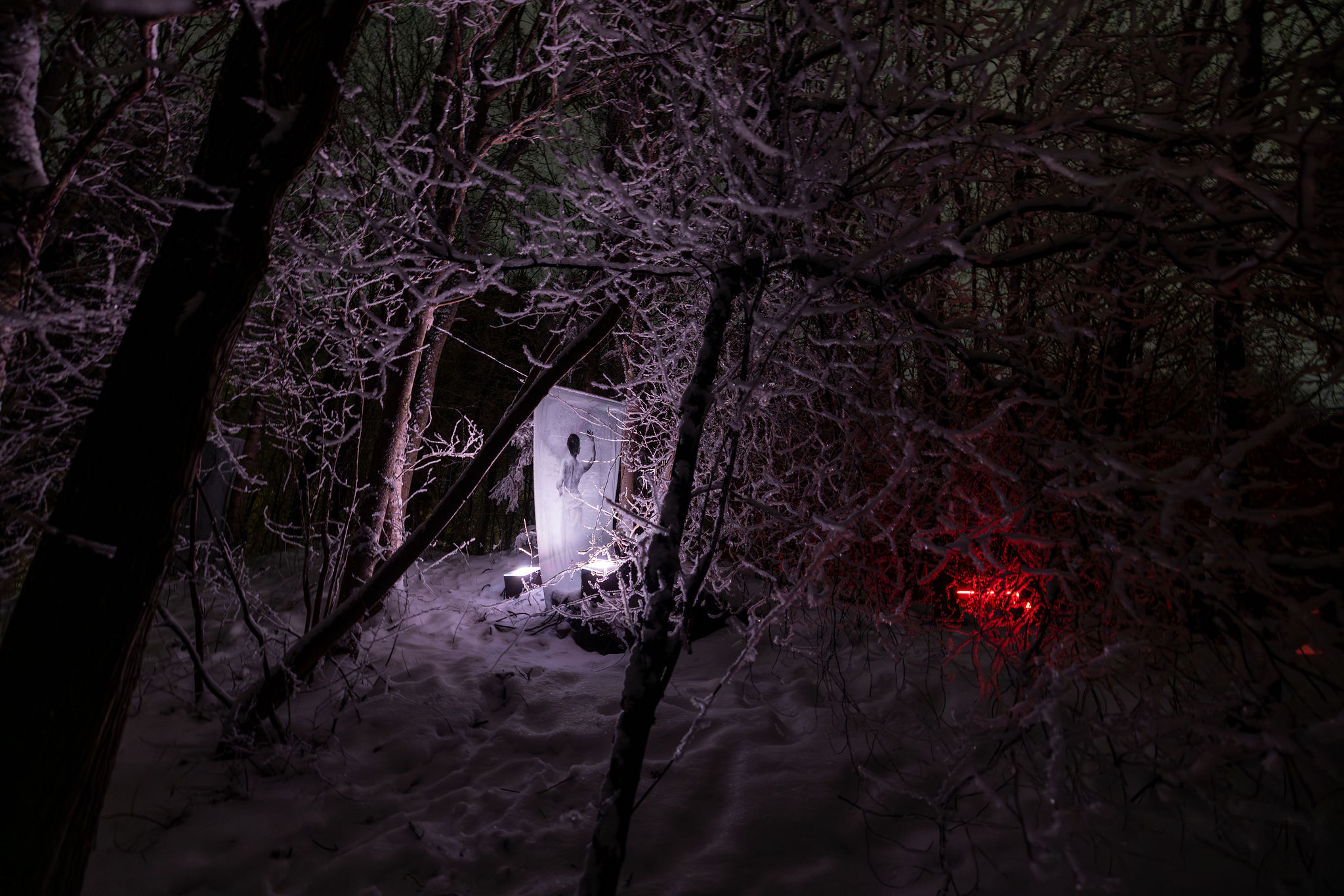
At Pikisaari Island in Oulu, the project is developing an Art of Darkness path that enhances the experience of the site’s unique combination of natural environment, industrial heritage and cultural life.
The approach prioritises preserving the possibility of experiencing natural darkness, while introducing subtle, glare-free lighting and infrastructure that can support temporary light art installations.
Rather than uniform lighting, the proposed system relies on carefully placed points of light, warm colour temperatures and technologies such as presence sensing or lighting on request. The objective is to maintain the character of the site while ensuring safe and meaningful navigation after dark.
In Tallinn’s Hirvepark, a historic park surrounding the city’s Old Town, the project explores how darkness-sensitive lighting can enhance the visitor experience while minimising light pollution and protecting the ecological environment.
Here, co-creation workshops, public discussions and experimental lighting tests have helped gather input from heritage experts, designers, local organisations and residents.
These processes illustrate how co-design can foster shared ownership and acceptance of lighting interventions, ensuring that projects respond to local knowledge and community expectations.
Light art as a medium for storytelling
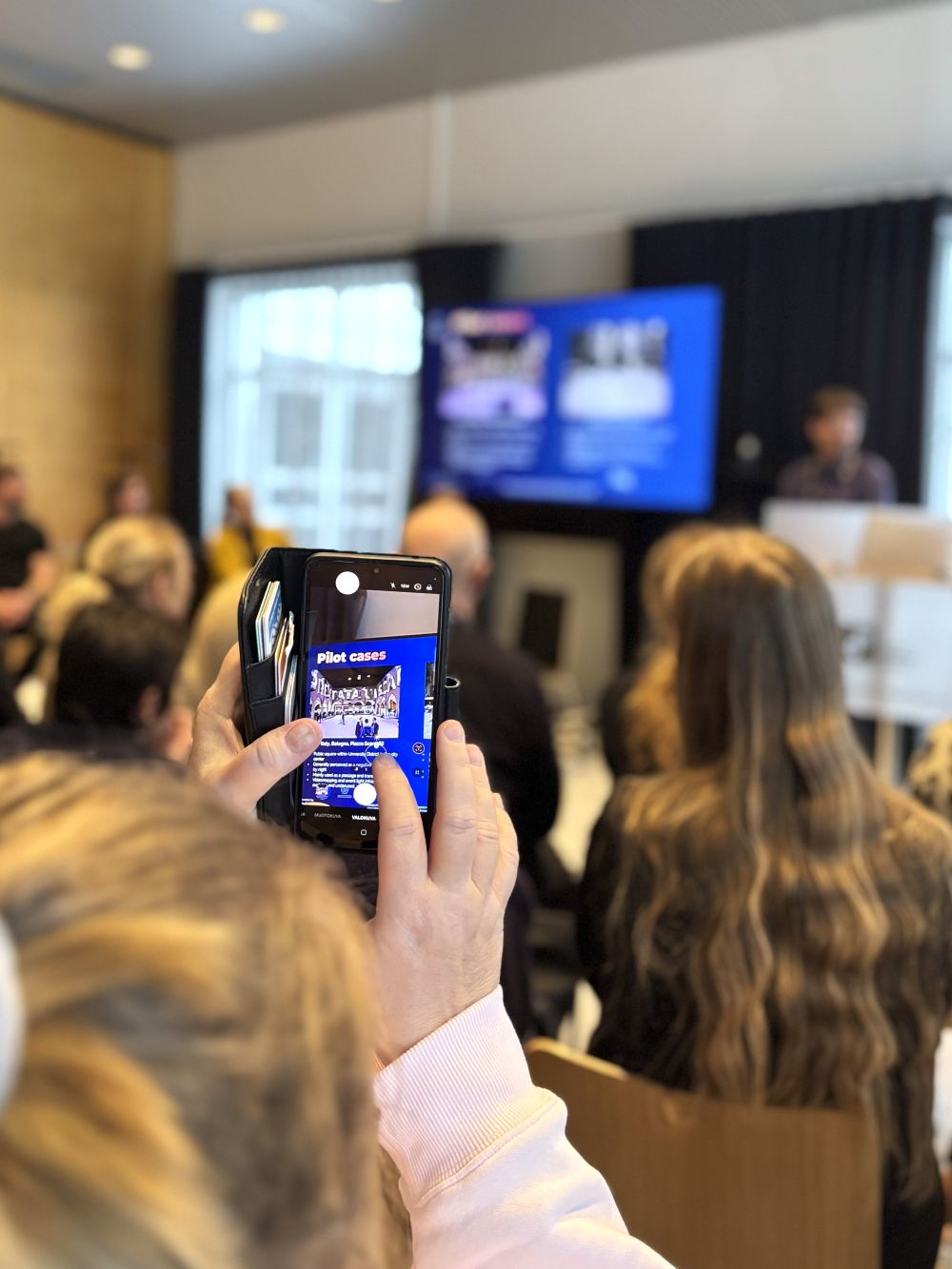
The third theme of the session addressed the role of light art and artistic experimentation in shaping new narratives around darkness.
Martin Flugelman Olmeda (University of Bologna) and Virve Leikola (Finnish Light Art Society FLASH) presented artistic research processes developed within the project, including temporary interventions and collaborative workshops that invite participants to actively engage with night-time environments.
In Bologna’s Piazza Scaravilli, perception walks and experimental lighting actions allowed participants to explore how small gestures of light – or even the deliberate blocking of light – can transform the atmosphere and meaning of a place.
Similarly, artistic experiments at the Pikisaari pilot site in Oulu bring together professional artists and researchers to create temporary installations that respond to the site’s natural darkness, cultural heritage and ecological sensitivity.
Rather than competing with the darkness, these artworks aim to work with it, using minimal and carefully positioned light to reveal stories embedded in the landscape.
Participants’ testimonies from these experiences highlight how such interventions can gradually transform perceptions of darkness, shifting it from a source of discomfort to a space of calm, curiosity and shared discovery.
Rethinking the urban night
Throughout the session, participants were invited to reflect on how cities might cultivate new “nocturnal imaginaries” – collective ways of thinking about and experiencing the night.
The discussion also touched on the role of events and light festivals in shaping public perceptions of darkness. While large-scale gatherings remain powerful cultural moments, the conversation highlighted a growing interest in more intimate, small-scale experiences, where visitors can engage with darkness in quieter and more personal ways.
By combining research, artistic experimentation and collaborative design processes, the Art of Darkness project aims to develop new models for integrating darkness into the management and design of cultural heritage sites.
The interactive session in Oulu offered a glimpse of how these approaches are already taking shape across Europe — demonstrating that working with darkness, rather than against it, can open new possibilities for cultural storytelling, environmental sensitivity and richer night-time experiences in cities.
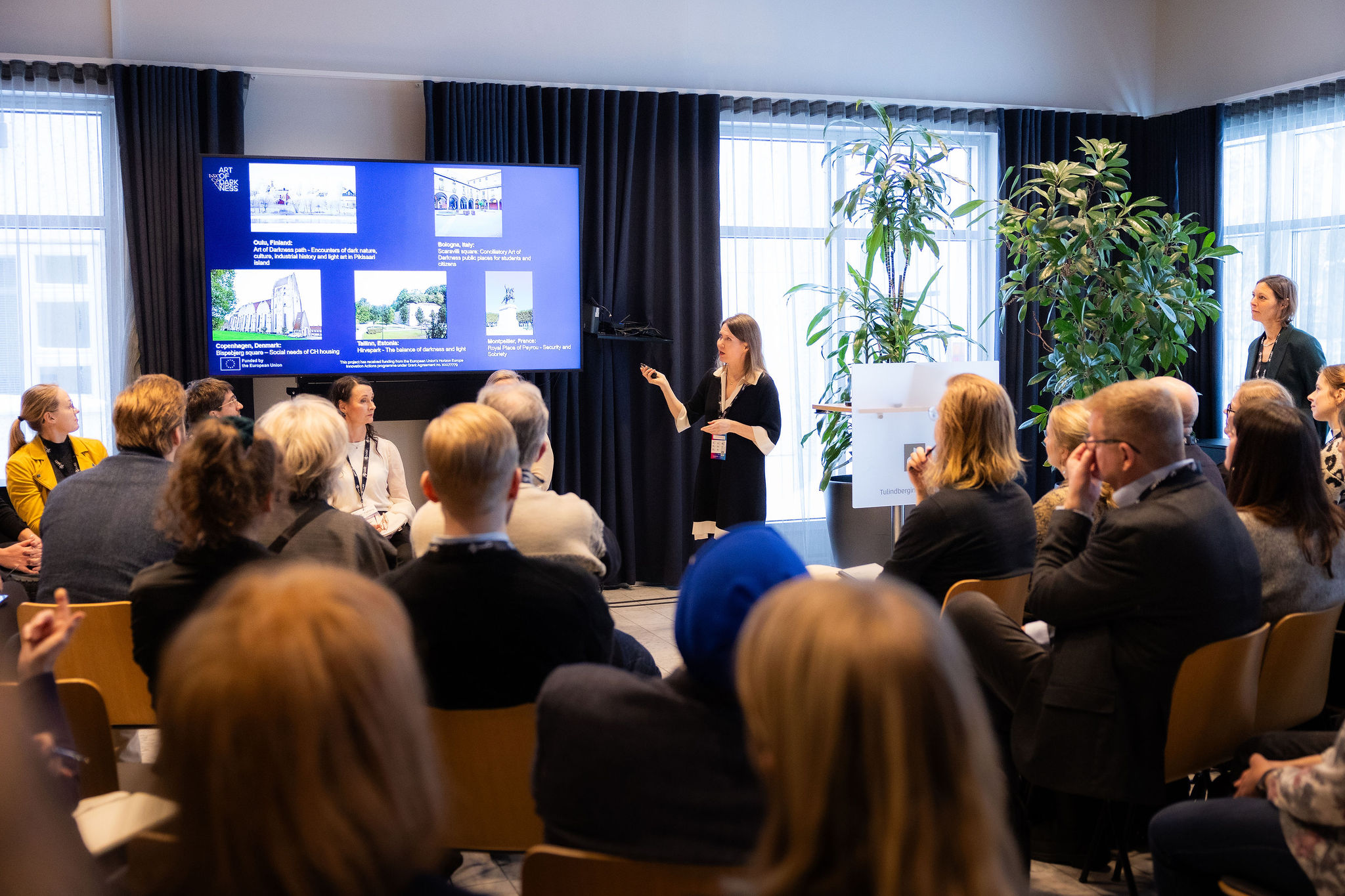
Photos: ©Rodrigo Barbosa & Kota Collective – LUCI Cities & Lighting Summit Oulu 2026