
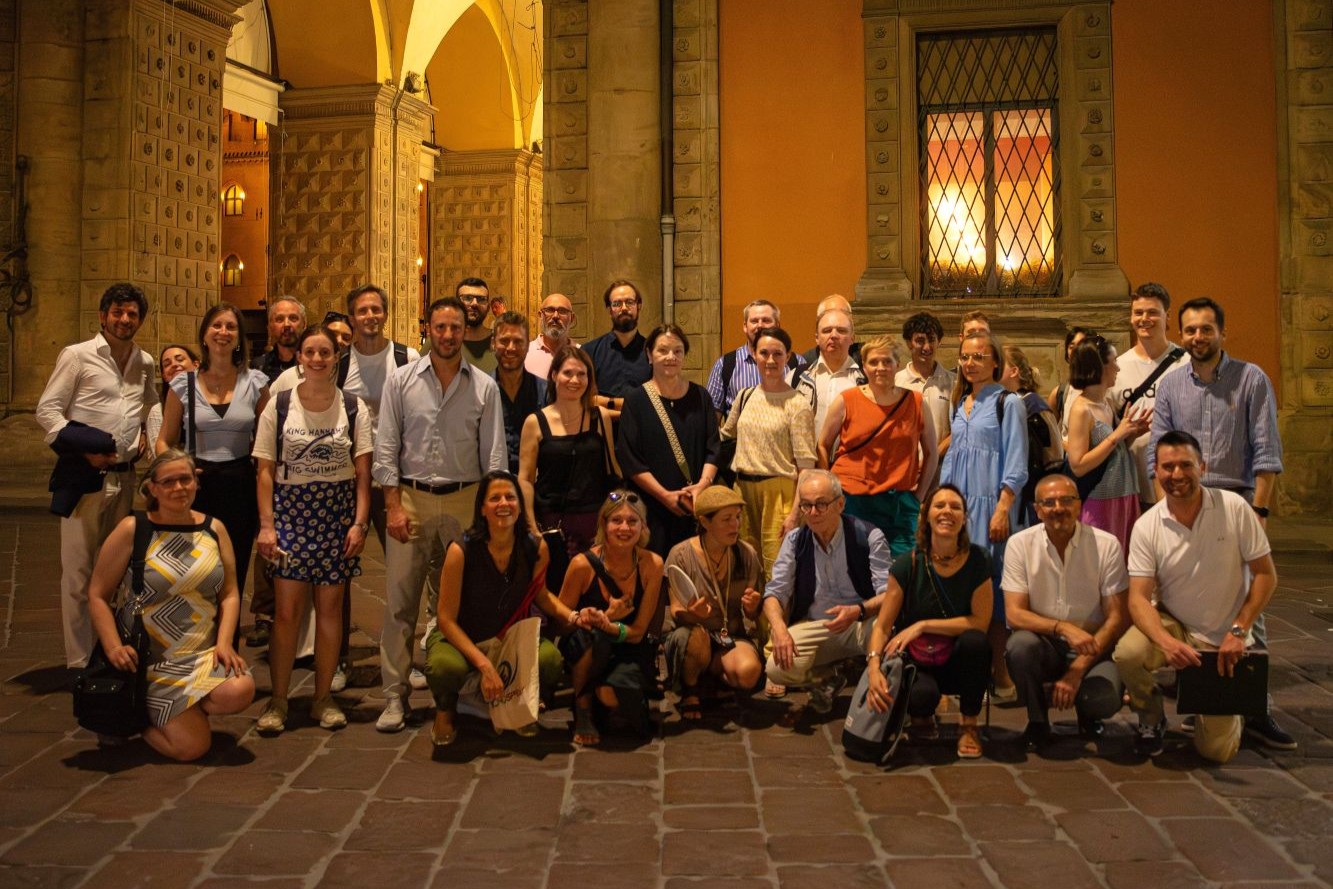
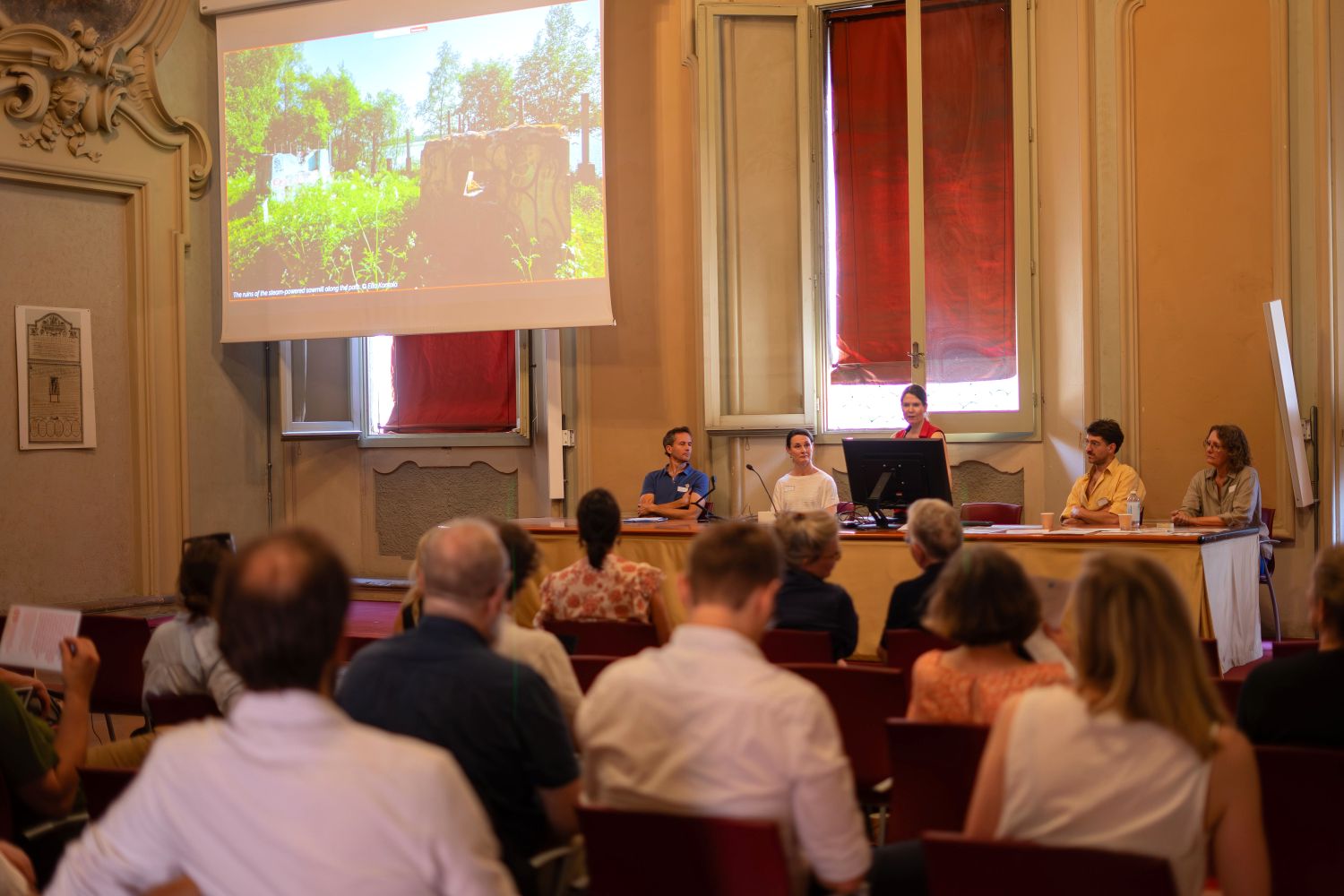
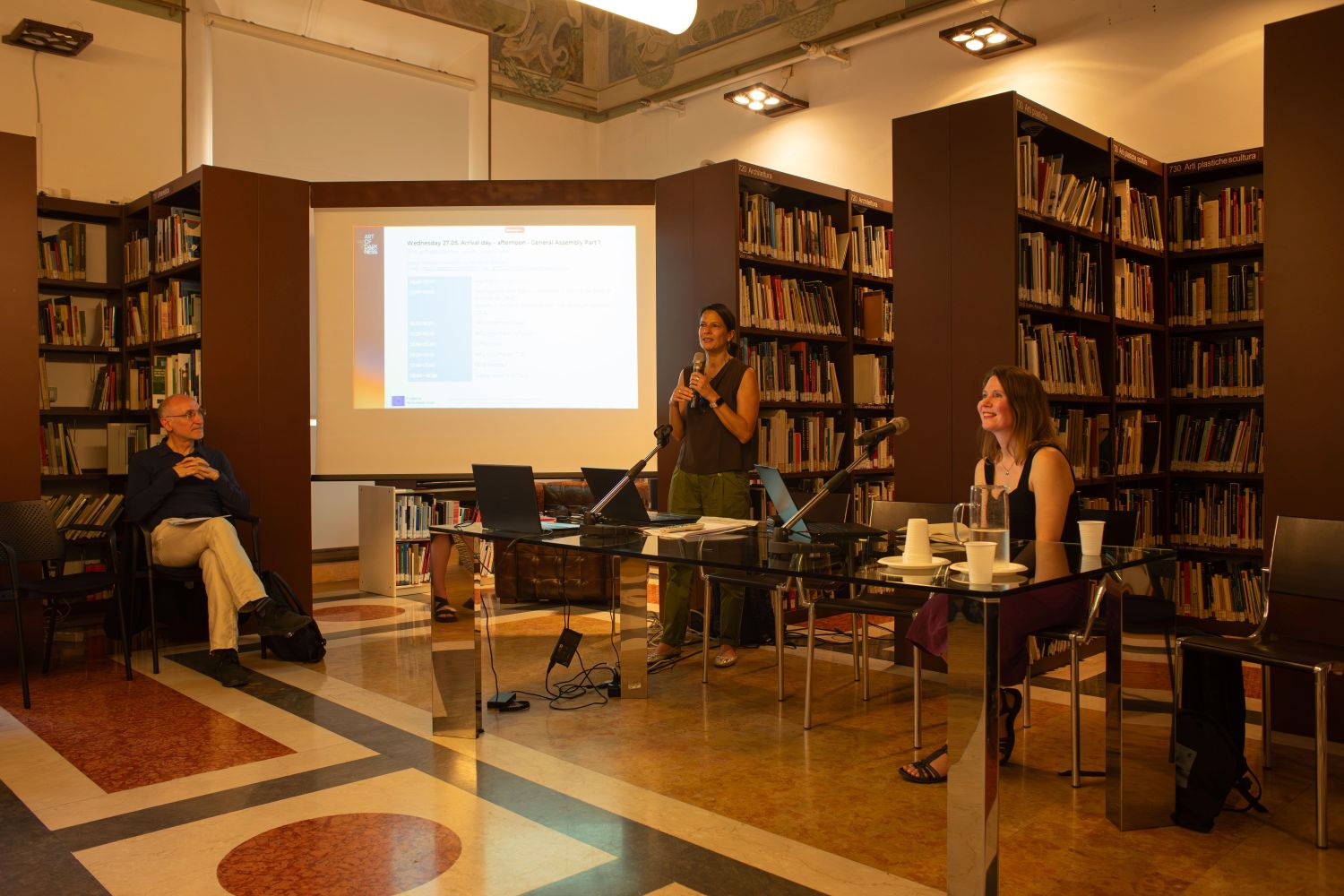
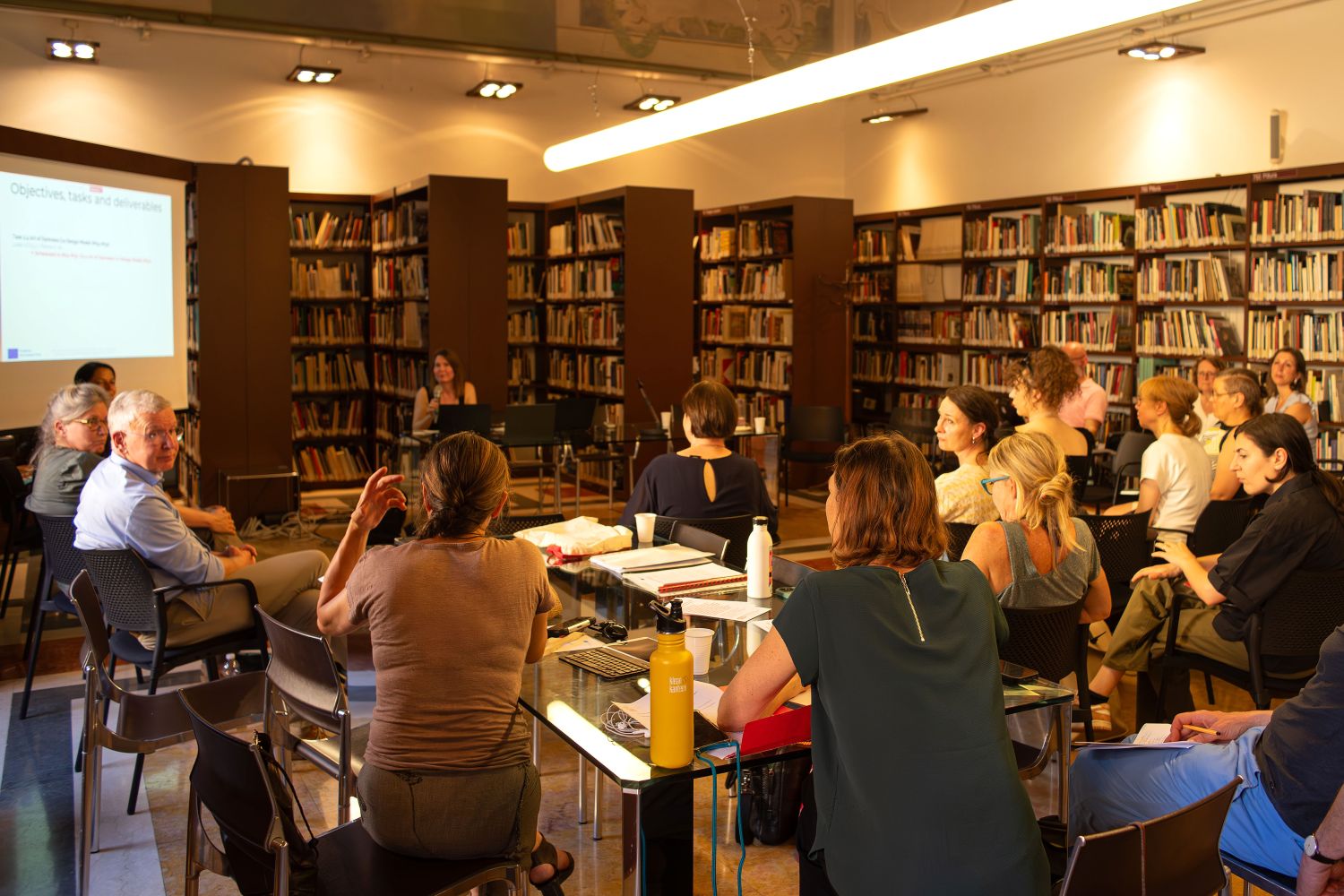
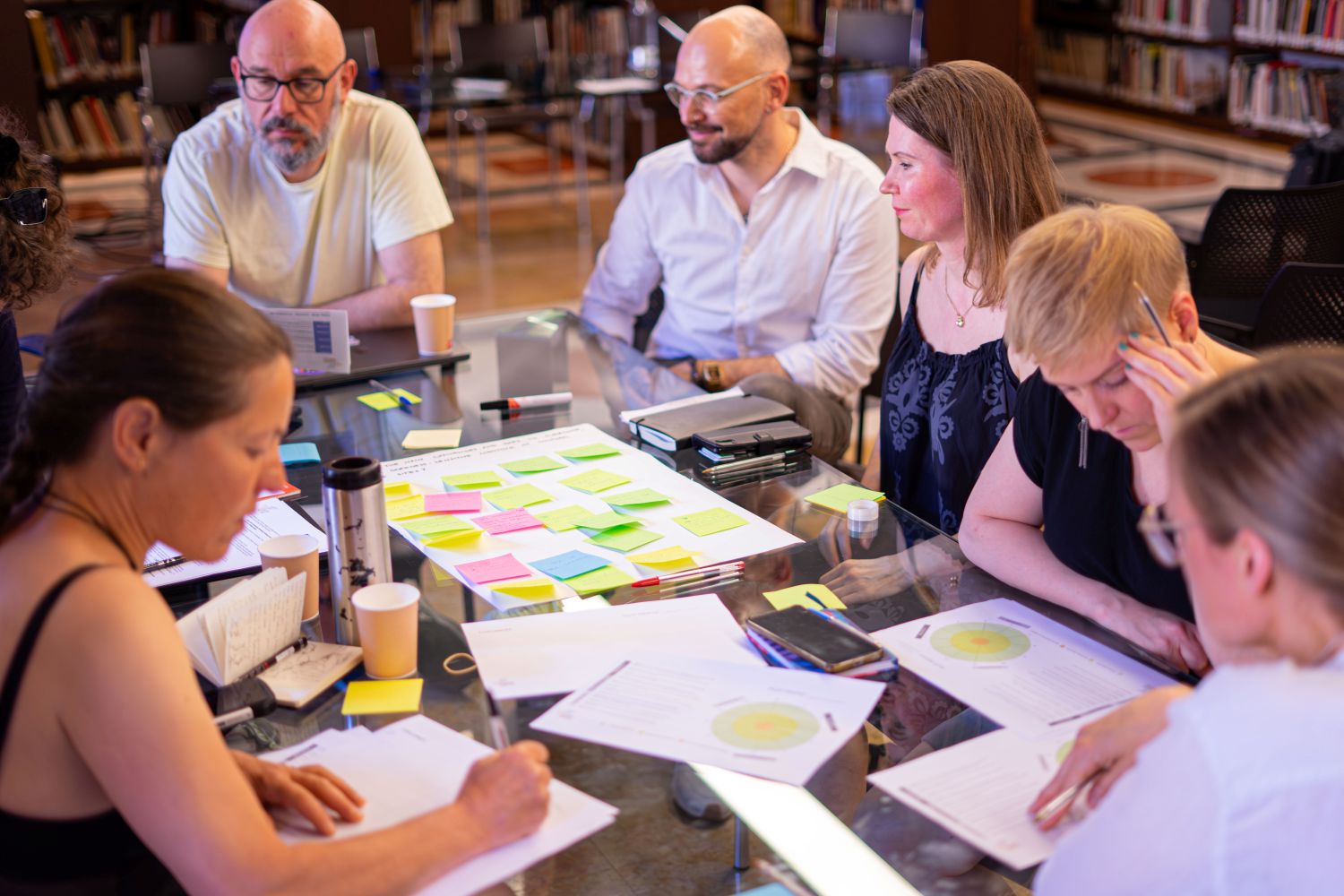
The Art of Darkness consortium gathered in Bologna at the end of May for its latest General Assembly, marking an important milestone in the project. Beyond reviewing progress across the five pilot sites, the meeting welcomed representatives from the project’s Follower and Replicator Cities programme for their first in-person gathering with the consortium, opening a new phase focused on sharing knowledge and preparing the project’s methods for uptake across Europe.
For project partners, Bologna’s face-to-face meetings offered much more than a chance to reconnect, they translated into open discussions, constructive feedback and honest conversations about both achievements and challenges.
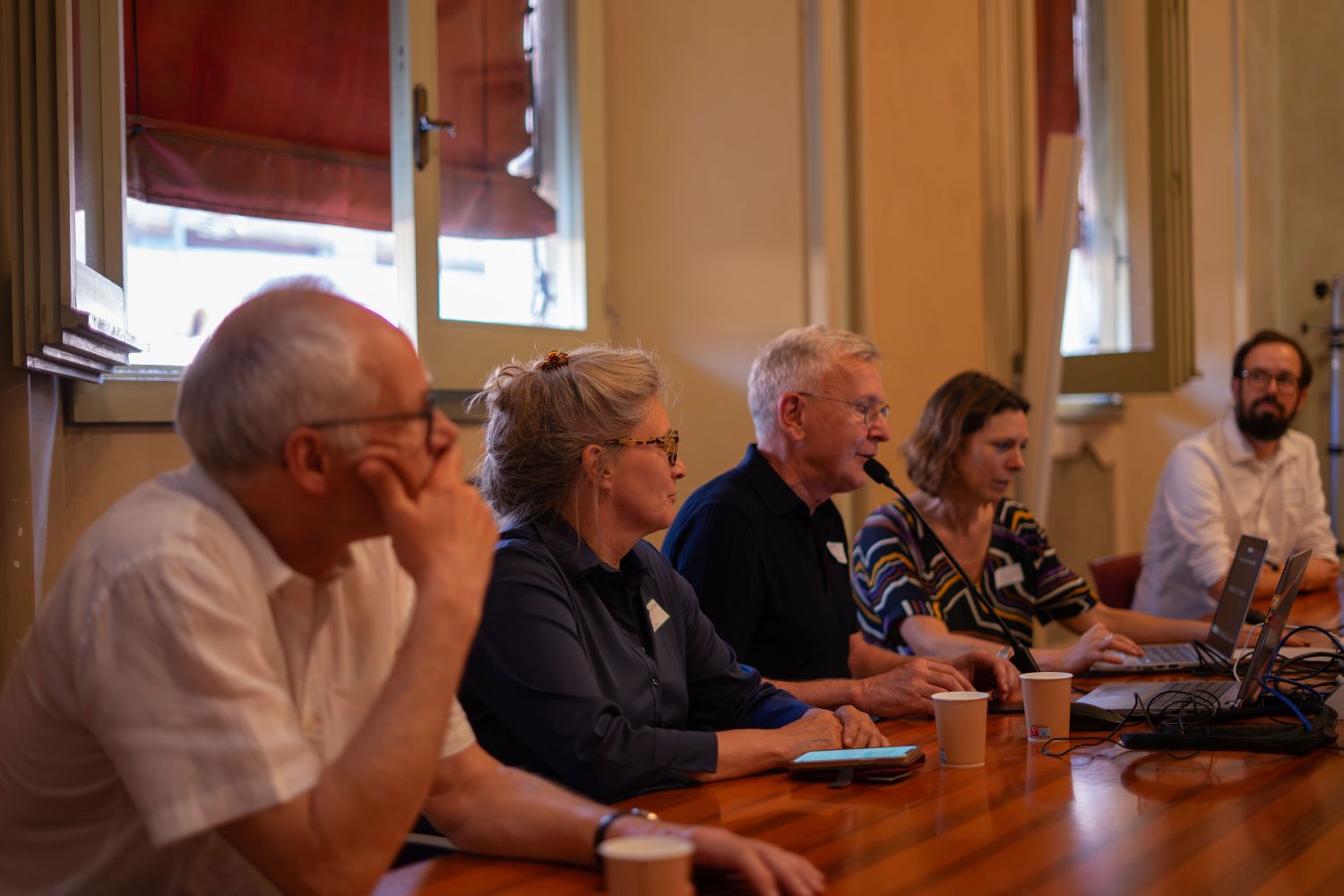
Researchers, municipalities, designers and communication partners exchanged perspectives, while the External Experts Advisory Board provided valuable insights that will help strengthen the project’s research and implementation in the months ahead.
The presence of the Follower and Replicator Cities gave the meeting a new dynamic. Their questions reflected the realities of bringing the Art of Darkness approach into different urban contexts: how to finance similar initiatives, how to organise meaningful co-design processes, and how to adapt the project’s methodologies to local cultural and geographical conditions. Their enthusiasm confirmed that the project’s ambition extends well beyond its five pilot sites.
From research to real-world implementation
Throughout the General Assembly, partners shared progress across the project’s work packages, demonstrating how different strands of research are gradually converging into practical approaches to enhance cultural heritage sites by exploring the different values of darkness.
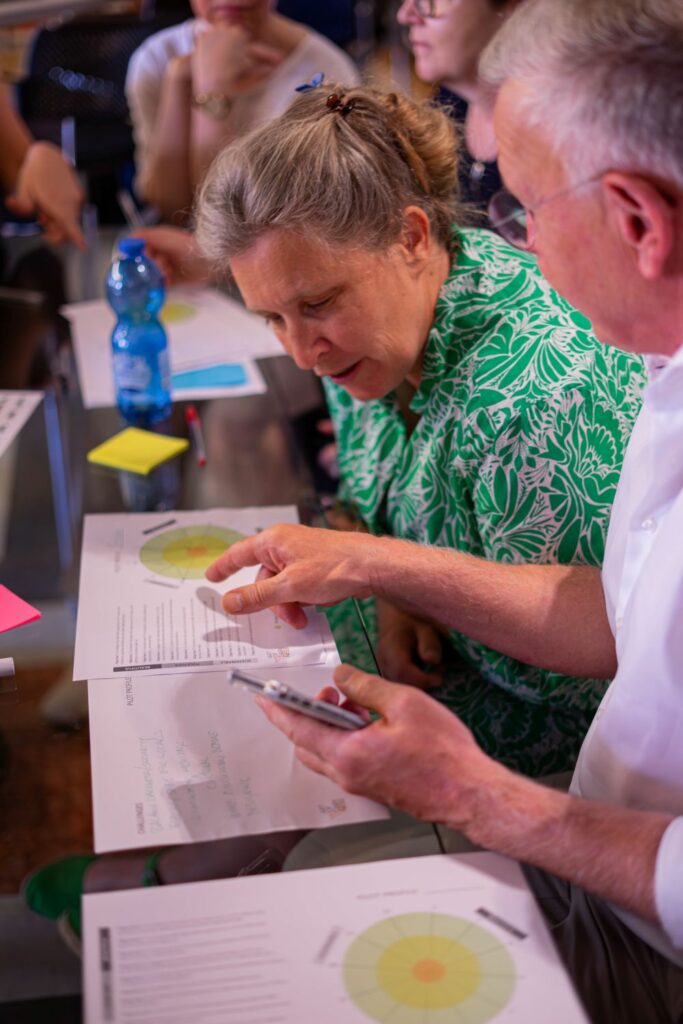
Particular attention was given to the methodologies developed during the project. Context mapping, co-design workshops, GIS-based spatial surveys and walking interviews are helping partners understand not only the physical characteristics of each site, but also how people experience darkness, heritage and public space.
In this sense, the project continues to explore how local knowledge, everyday practices and emotional connections to place can inform future interventions.
The pilot sites illustrated the richness of these approaches. Discussions showed how temporary installations, citizen participation and interdisciplinary collaboration are generating new ways of understanding darkness as a cultural, environmental and social resource.
Across the different cities, partners are building a shared vocabulary that will make these methods transferable to other contexts while remaining sensitive to local identities.
Learning beyond the consortium
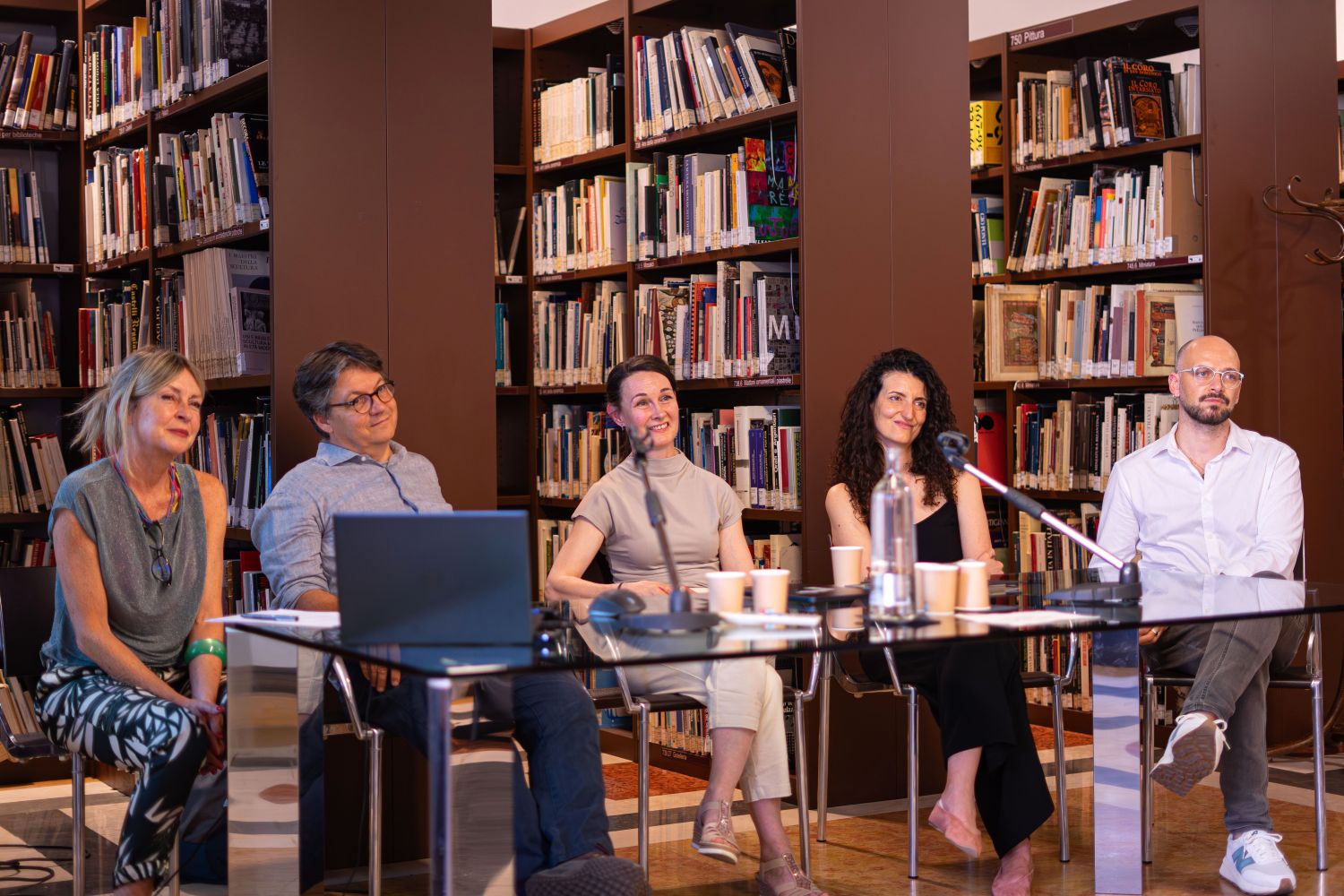
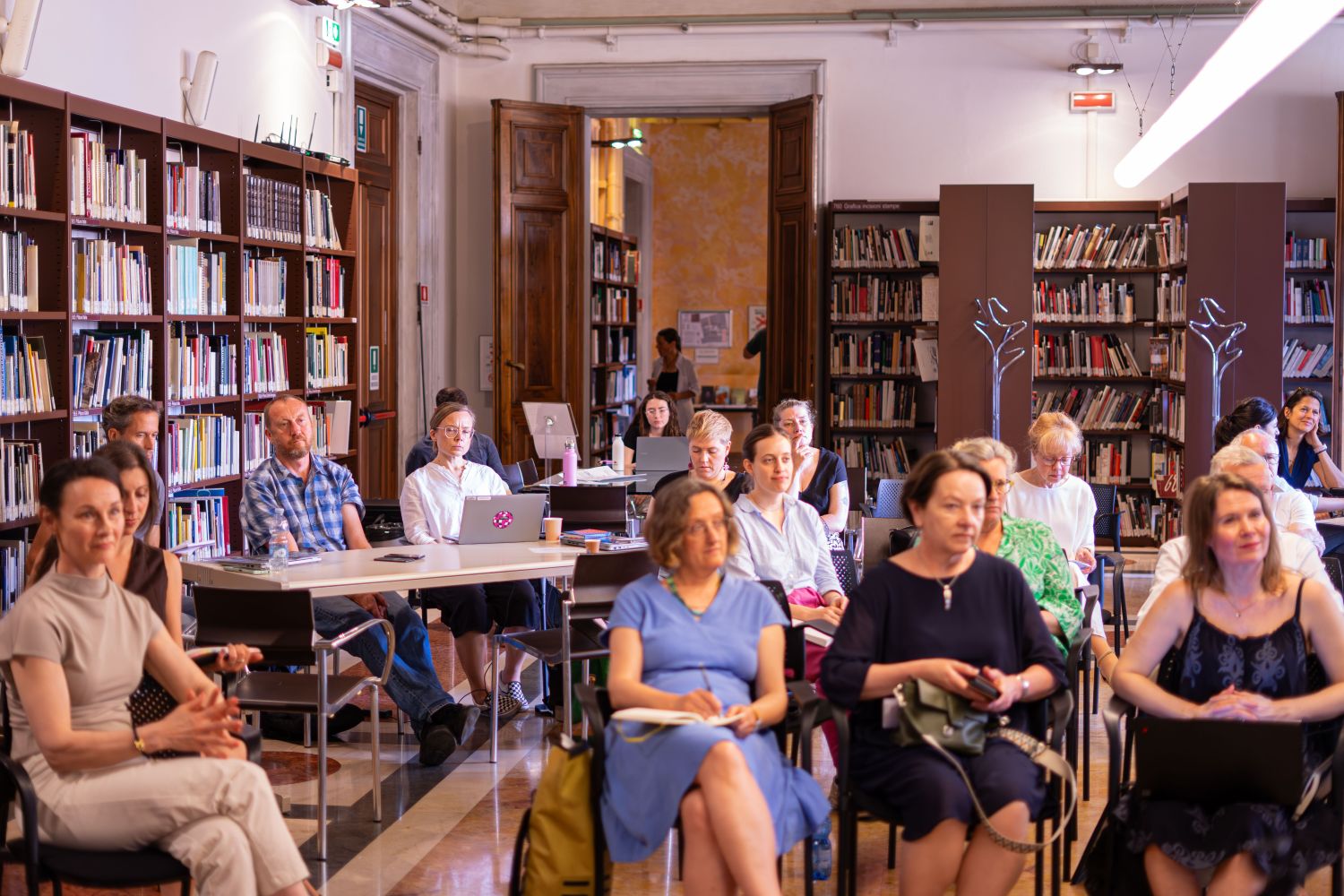
The final day of the programme opened the General Assembly to a broader audience through a series of educational events organised by the University of Bologna. Bringing together project partners, students, lighting professionals and local stakeholders, the sessions explored different perspectives on the relationship between public lighting, cultural heritage and darkness.
Lighting designer Martina Frattura opened the programme by reflecting on the notions of beauty and the reappropriation of public spaces, inviting participants to consider how lighting can transform the way people perceive and inhabit urban environments. She was followed by architech Giovanni Traverso, who presented the Going Dark initiative and demonstrated how preserving darkness can become a fundamental design strategy for heritage sites rather than a limitation to overcome.
The discussion then turned to heritage conservation, with architect Keoma Ambrogio explaining how Italian heritage authorities work to balance contemporary lighting needs with the protection of historic environments. Finally, Virve Leikola, Executive Director of the Finnish Light Art Society FLASH, shared experiences from northern Finland, where long periods of natural darkness offer valuable lessons on coexistence with darkness and the cultural opportunities it creates. Together, the four presentations highlighted complementary perspectives – from design and heritage protection to artistic practice and regional experience – showing that darkness can be approached as both a cultural value and a design resource.
The educational programme reflected one of Art of Darkness’s central ambitions: creating knowledge that extends beyond the consortium itself. By bringing together researchers, practitioners, students and public authorities, the event reinforced the project’s role as a platform for dialogue and for building a common understanding of darkness-sensitive urban design.
Experiencing Bologna after dark
The General Assembly was not confined to meeting rooms. As evening fell, Bologna itself became part of the programme.
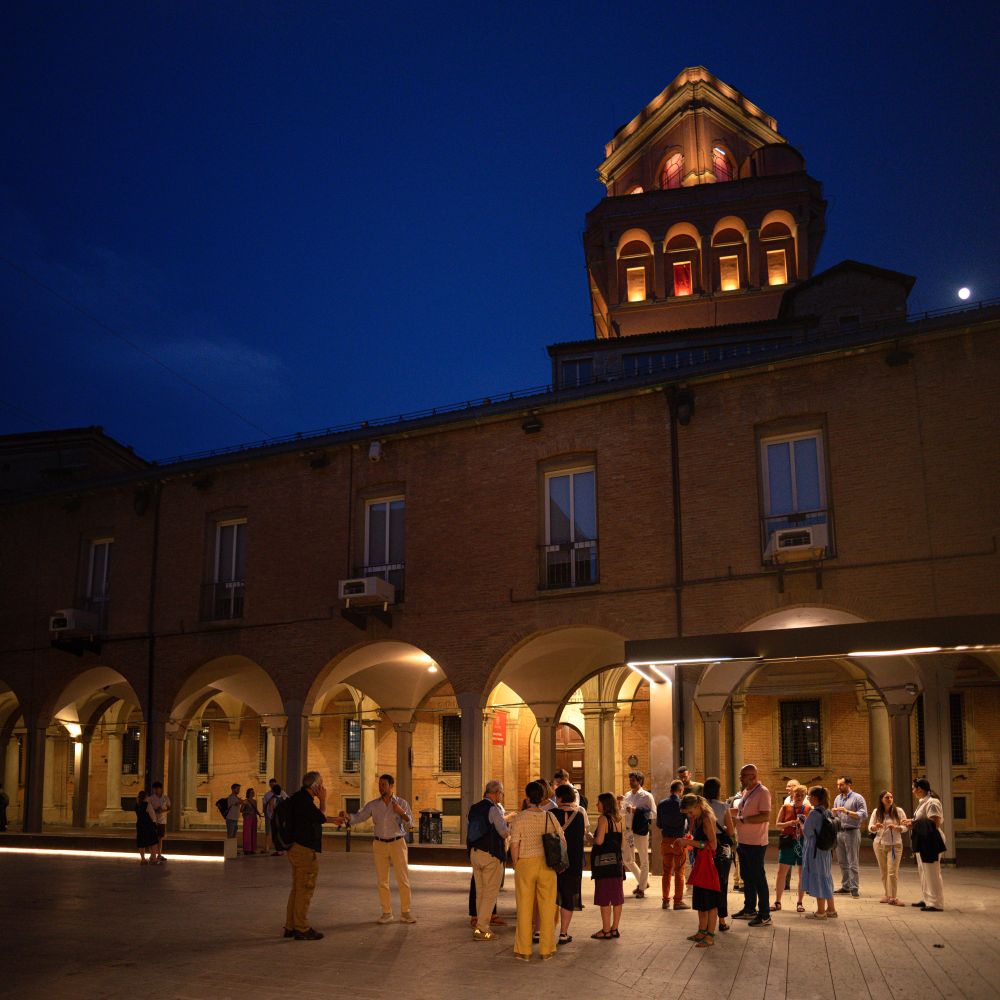
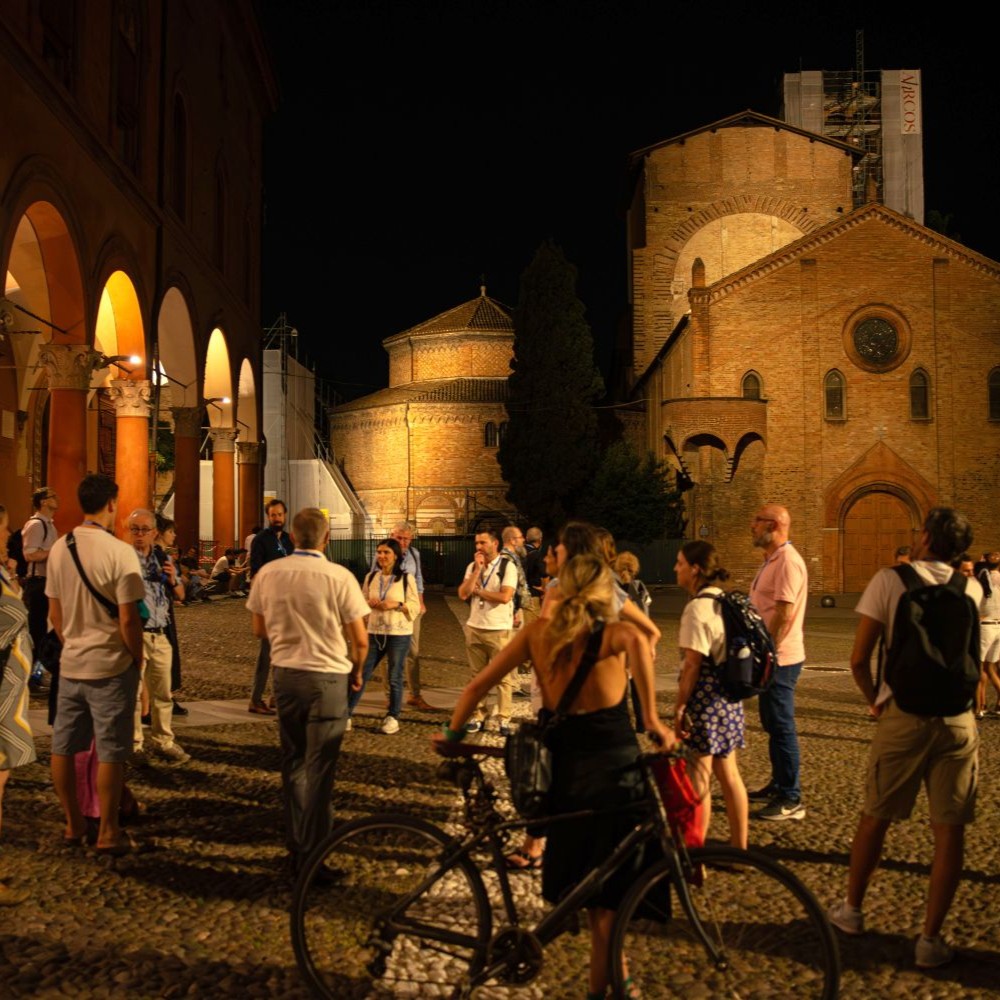
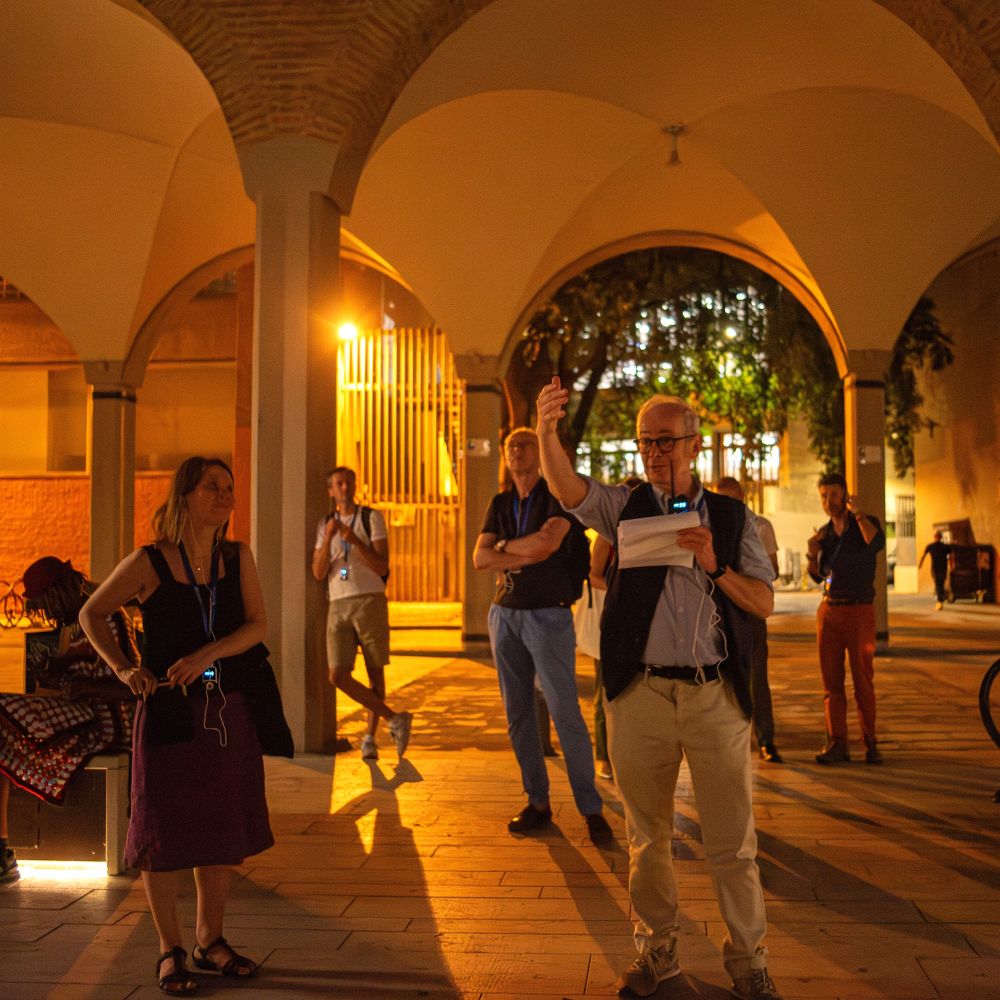
The opening night featured a guided walk through the city’s historic centre, inviting participants to experience Bologna after dark through the eyes of historians, lighting designers and technical experts. Moving through streets, squares and heritage sites, the group explored how light and darkness shape the perception of the city’s cultural identity, creating a direct connection between the project’s research and the lived experience of urban space.
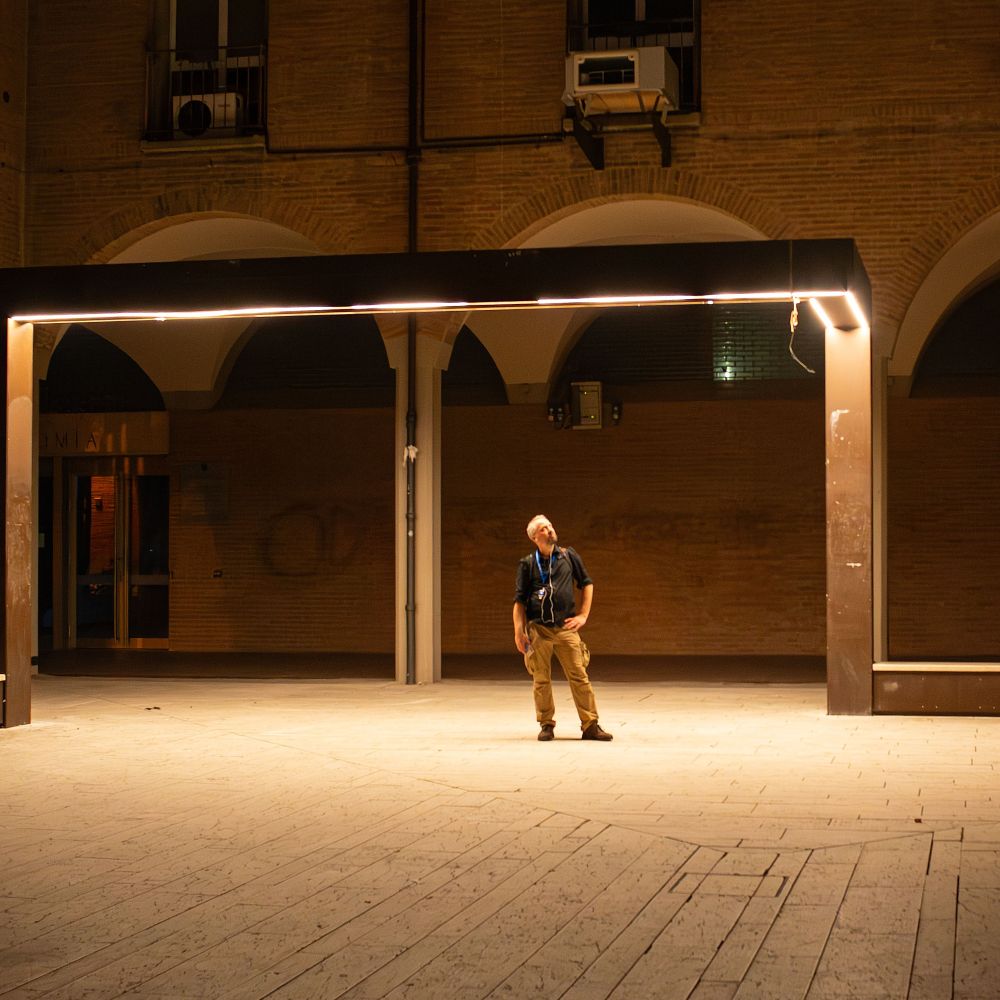
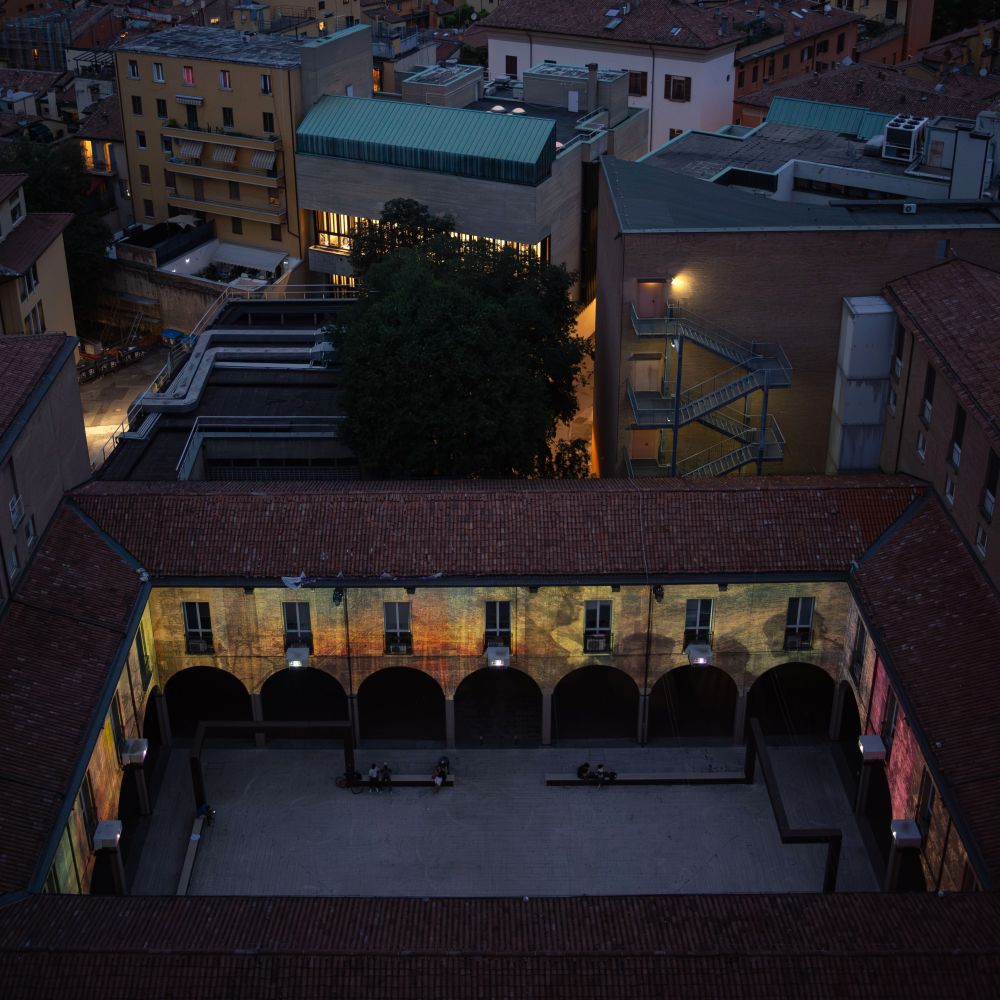
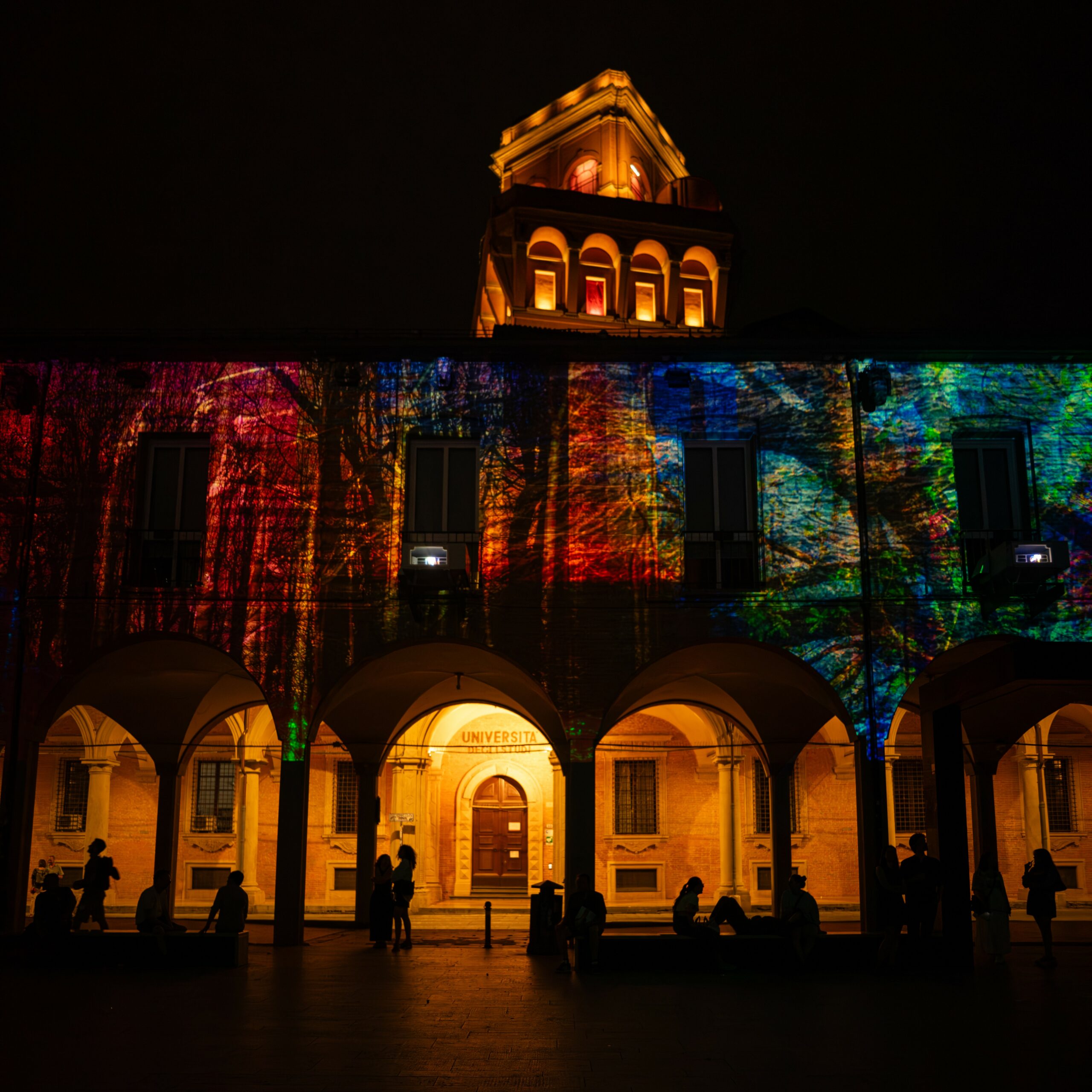
The following evening, Piazza Scaravilli hosted a videomapping event that transformed Bologna’s pilot site into an open-air space for artistic experimentation.
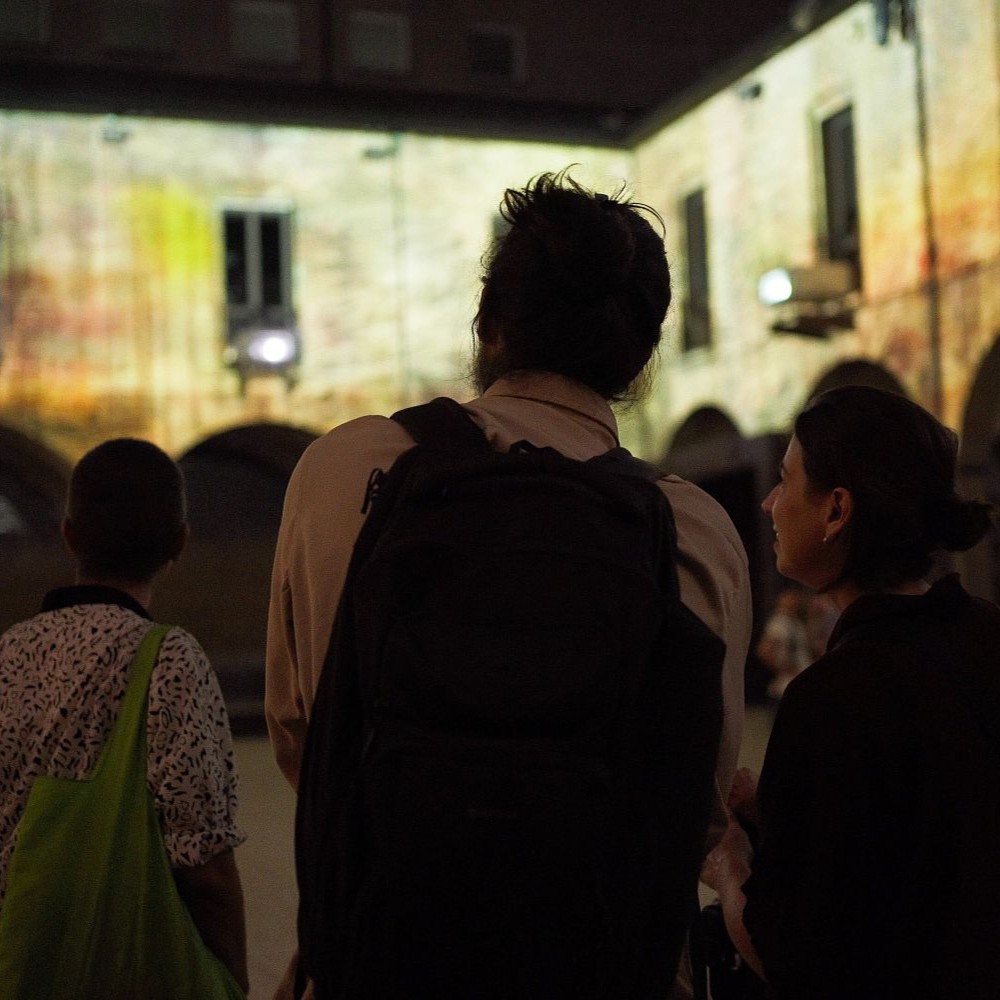
The videomapping installations created by Martina Stella and Collettivo -ATI attracted a large audience, drawing in passers-by who gradually stopped to watch, discuss and engage with the artworks. Yet beyond the projections themselves, one moment is worth mentioning.
During the two-hour event, the videomapping works alternated in a continuous loop with five-minute periods of shared darkness throughout the square.
As the projections faded, conversations continued while the architecture of the surrounding porticoes and the silhouette of the Torre della Specola (the emblematic tower that reigns over the square) slowly emerged from the night.
What began as an artistic event became an invitation to experience darkness collectively, as a condition that reveals different qualities of urban space. The evening perfectly embodied one of the project’s central ideas: sometimes light is not the only way to make a place visible.
Beyond Bologna
The Bologna General Assembly marked more than another project meeting. It demonstrated how Art of Darkness is evolving from a collection of local pilot actions into a growing European community of practice.
With stronger collaboration between partners, the active involvement of the Follower and Replicator Cities, and an increasing focus on transferring knowledge beyond the consortium, the project is entering a new stage.
The discussions, educational activities and public events all pointed in the same direction: developing practical methods that help cities rethink the relationship between light, darkness and cultural heritage, and ensuring those lessons can inspire many more places across Europe.
Photos: © Martin Flugelman Olmeda and Alessandro Minelli / Video: Alessandro Minelli