
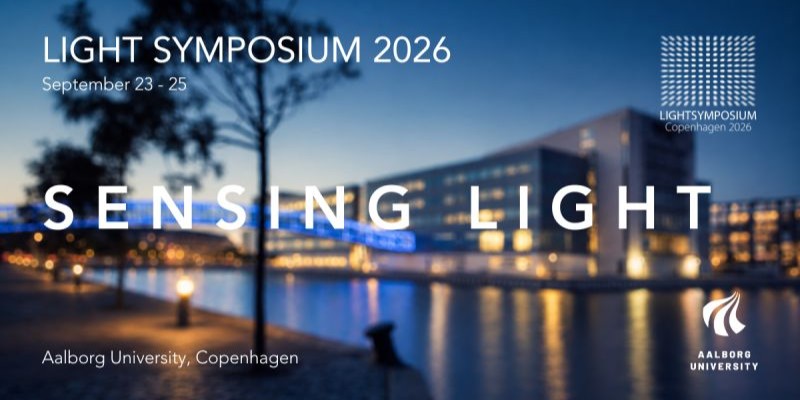
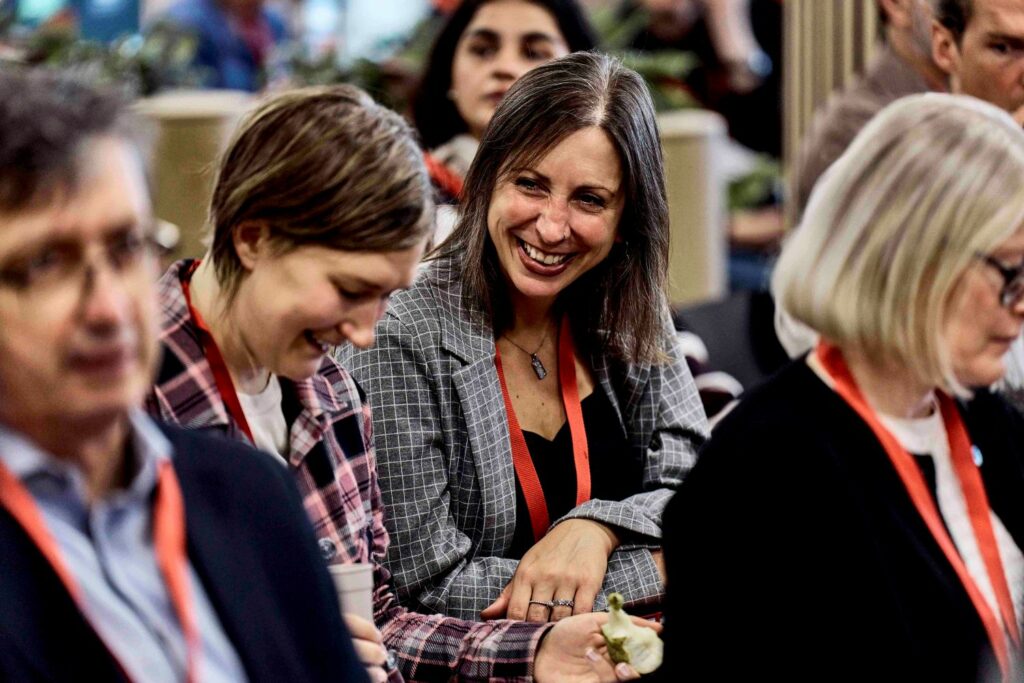
Darkness took centre stage at Light Symposium 2026, held at Aalborg University in Copenhagen from 23 to 25 September. With 244 participants from 36 countries, the three-day event brought together researchers, designers, artists, practitioners, students and industry professionals around the theme of Sensing Light.
The Art of Darkness project was strongly represented, with two dedicated sessions bringing together ten presentations exploring darkness through research, artistic practice, participatory design and urban policy.
Exploring darkness as a cultural and experiential resource
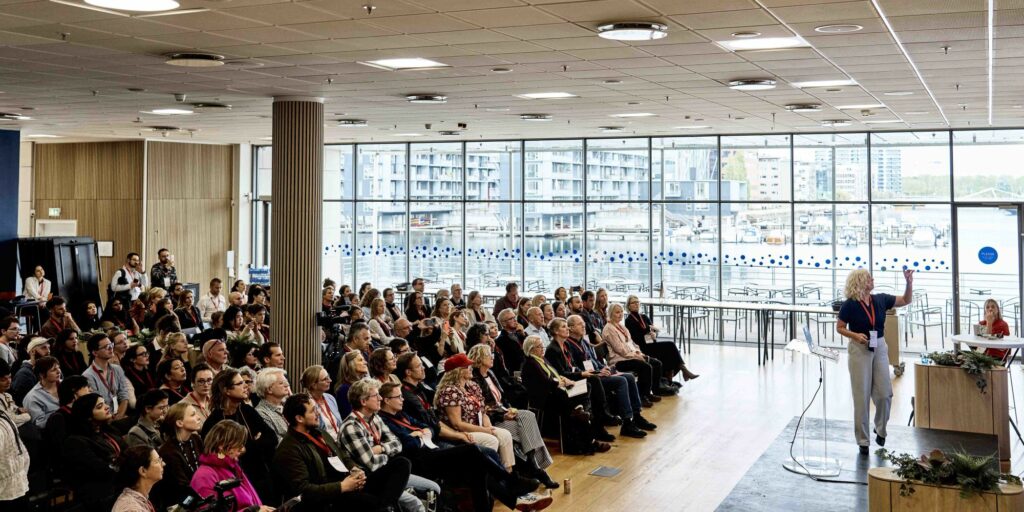
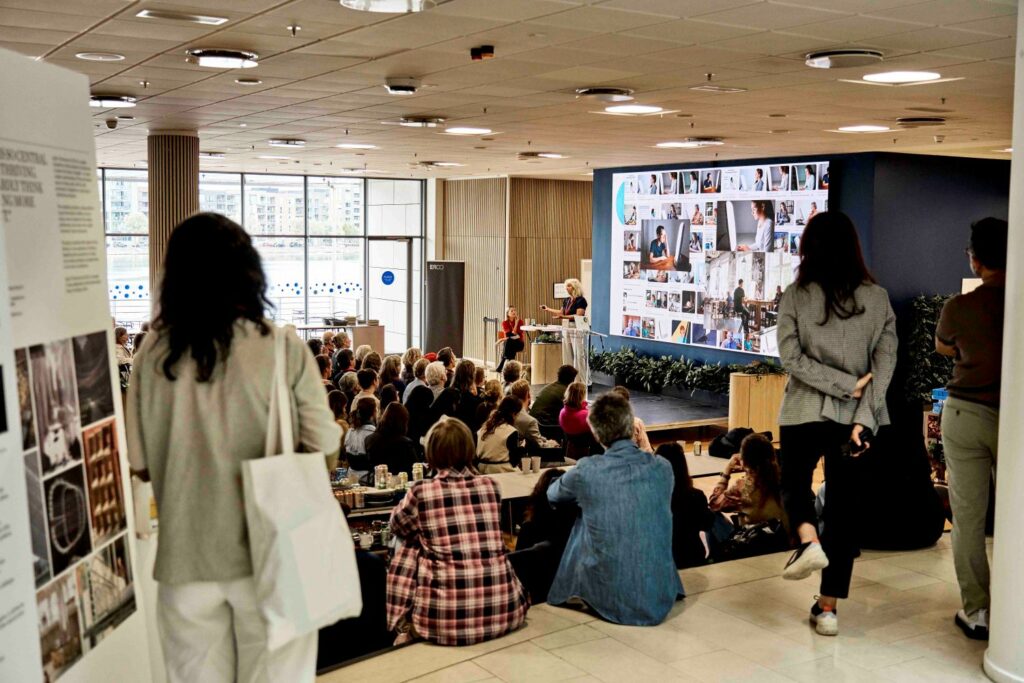
An Art of Darkness Special Session featured presentations examining darkness as a cultural, environmental and experiential resource.
The session opened with lighting designer Martina Frattura, who presented an exploration of the relationship between light, fear, and perception through the artistic project La Mia Paura è Bianca. The presentation challenged the assumption that illumination necessarily makes spaces less frightening, highlighting instead how darkness can become an active part of an artistic and perceptual experience.
Several contributions presented research from the Art of Darkness pilot sites. Ella Kantola (University of Oulu) shared research from the Oulu pilot, exploring how a sense of place can inform darkness-sensitive lighting design through context mapping and participatory co-design. Mette Hvass (Lighting Design Lab – AAU) presented findings from co-design workshops conducted at the Copenhagen pilot around Grundtvig’s Church, highlighting the links between nocturnal experience, cultural heritage, and community identity.
Representing the Bologna pilot, Martin Flugelman Olmeda (Department of Architecture – UNIBO) discussed how sensory and participatory methods can help students actively shape the nocturnal identity of Piazza Scaravilli and strengthen a sense of belonging through shared experiences of light and darkness.
The session also brought perspectives from beyond the project’s pilot sites. Hui-Yi Yang, PhD Fellow at the Royal Danish Academy, explored darkness and privacy through the historic interiors of Ancher’s House in Skagen. Danish lighting designer and artist Christina Augustesen examined darkness as an active component of colour, perception and spatial experience, while Gloria Lauterbach, researcher at Aalto University, presented her work on developing a “darkness library” through community research and artistic interventions in Helsinki.
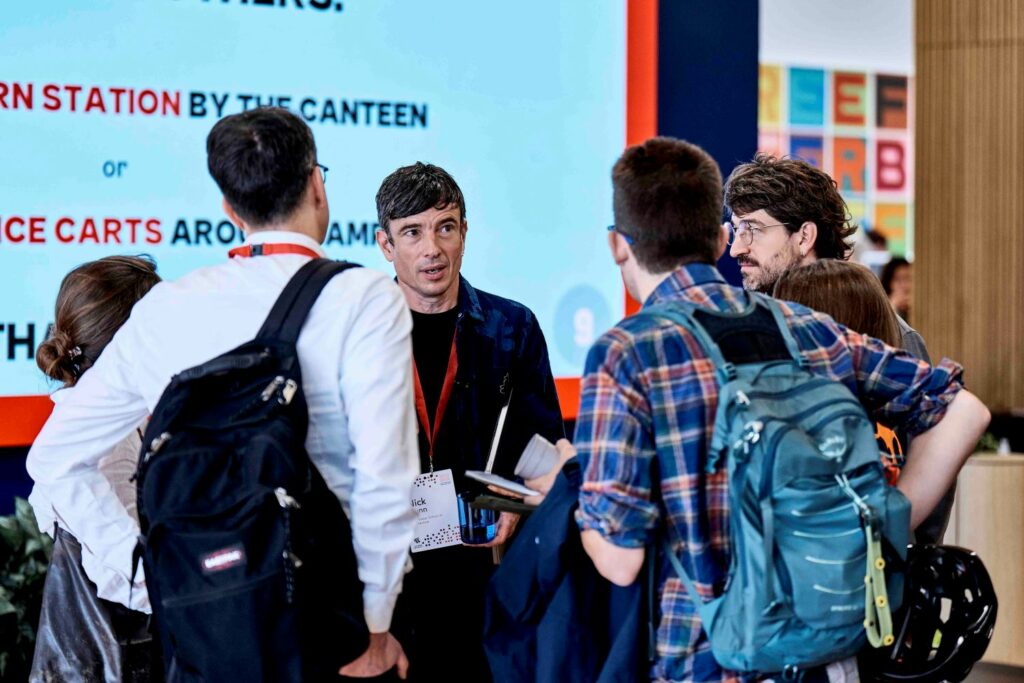
The session was chaired by Henrika Pihlajaniemi, Art of Darkness project coordinator, and Nick Dunn, Professor of Architecture and Urbanism at Manchester School of Architecture. Dunn continued the conversation with his keynote, “Sensing Darkness: Designing Urban Nights Between Measurement and Experience”, which explored how cities might move beyond the assumption that more light necessarily means greater safety and vitality, towards richer nocturnal environments that support wellbeing, biodiversity and planetary care.
From darkness-sensitive design to urban policy
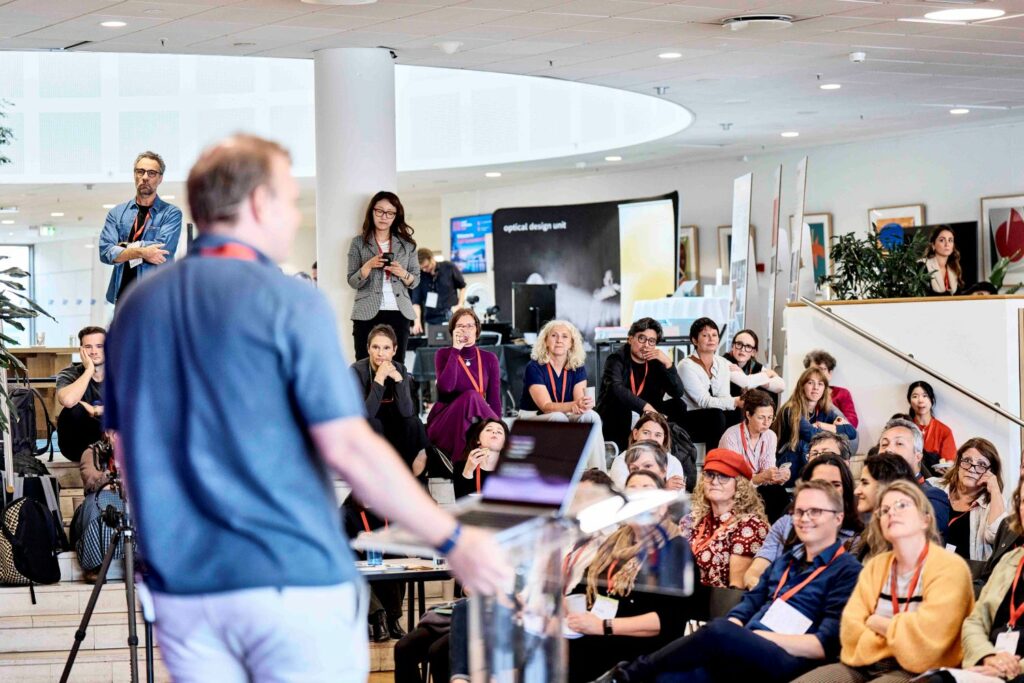
A second dedicated session, Art of Darkness & Dark Policy, shifted the discussion towards measurement, design methodologies and the role of darkness in urban policy.
Georgios Triantafyllidis (Lighting Design Lab – AAU) presented research from Aalborg University on neuroaesthetic responses to different lighting conditions at Grundtvig’s Church. Combining EEG measurements with subjective evaluations, the study investigated how variations in illumination affect perception, attention, and the experience of cultural heritage at night.
Titia Ex, artist and City Light Master for Amsterdam, explored the relationship between natural cycles of light and darkness and urban lighting policy. Her artistic research uses light-sensitive walks to investigate how reconnecting with these cycles could support more regenerative approaches to managing urban light and darkness.
Researchers Derek Pardue and Juan Fabuel presented Darkness as Method, examining darkness as a sensorial and critical approach to uncertainty, ambiguity, and the exploration of possible futures.
The session also included a joint contribution from several of the research partners directly involved in the Art of Darkness project.
Julieta Cignacco (Lighting Design Lab – AAU) presented a transdisciplinary process model for darkness-sensitive lighting in cultural heritage contexts, developed as part of her PhD research. The approach combines mixed methods and luminance mapping to support lighting strategies that respect darkness while enhancing the nighttime experience of heritage sites.
Finally, researcher Lenka Maierová presented findings from field experiments at Prague Castle, examining how color temperature, luminance, and visual adaptation influence people’s preferences for heritage lighting.
Sensing darkness beyond the sessions
Art of Darkness was also present throughout the symposium with a dedicated stand, where researchers and volunteers took turns introducing the project and discussing its research with participants interested in its approach to darkness-sensitive lighting.
On the opening evening of the Symposium, PhD fellow Julieta Cignacco also introduced the project during a night boat trip hosted with Danish lighting designer Jesper Ravn. Some 120 lighting professionals experienced Copenhagen from the water, exploring the city’s illuminated architecture while also considering its darkness and nocturnal atmosphere.
Across its two dedicated sessions and wider presence at the symposium, Art of Darkness contributed to a broader conversation about how cities can understand, experience and embrace darkness as an active element of urban lighting design.
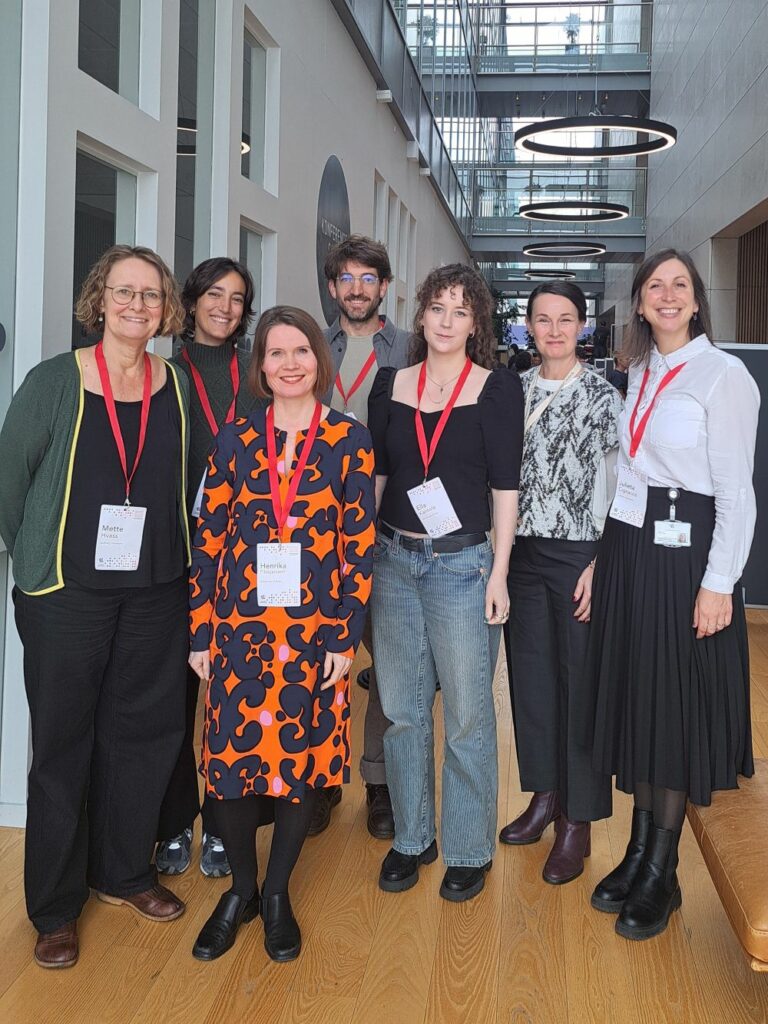
The Art of Darkness team at Light Symposium 2026 >>
Photos: © René Løkkegaard Jepsen (Itchy) – courtesy of Velux & Lighting Design Lab AAU / Aalborg University Copenhague