
As part of the Art of Darkness project, the Finnish Light Art Society FLASH has been developing an artistic process in Oulu that places community dialogue, ecological reflection and site-sensitive creation at the centre of light art practice.
Through workshops, field visits and exchanges with local actors and researchers, five Finnish artists are currently shaping new works for the pilot site in Pikisaari, an island district known for its industrial heritage, natural environment and strong cultural identity.
A participatory approach from the outset
The process began with FLASH’s open portfolio call in May–June 2025. Rather than selecting finished proposals, FLASH chose five professional artists with established practices in light and site-sensitive art, allowing the projects to emerge progressively through research, observation and dialogue with Pikisaari.
Beyond artistic quality, applicants were also asked to explain how they intended to engage with local communities and participatory methods in the development of their works. This emphasis on collaboration and dialogue has remained a guiding principle throughout the project.
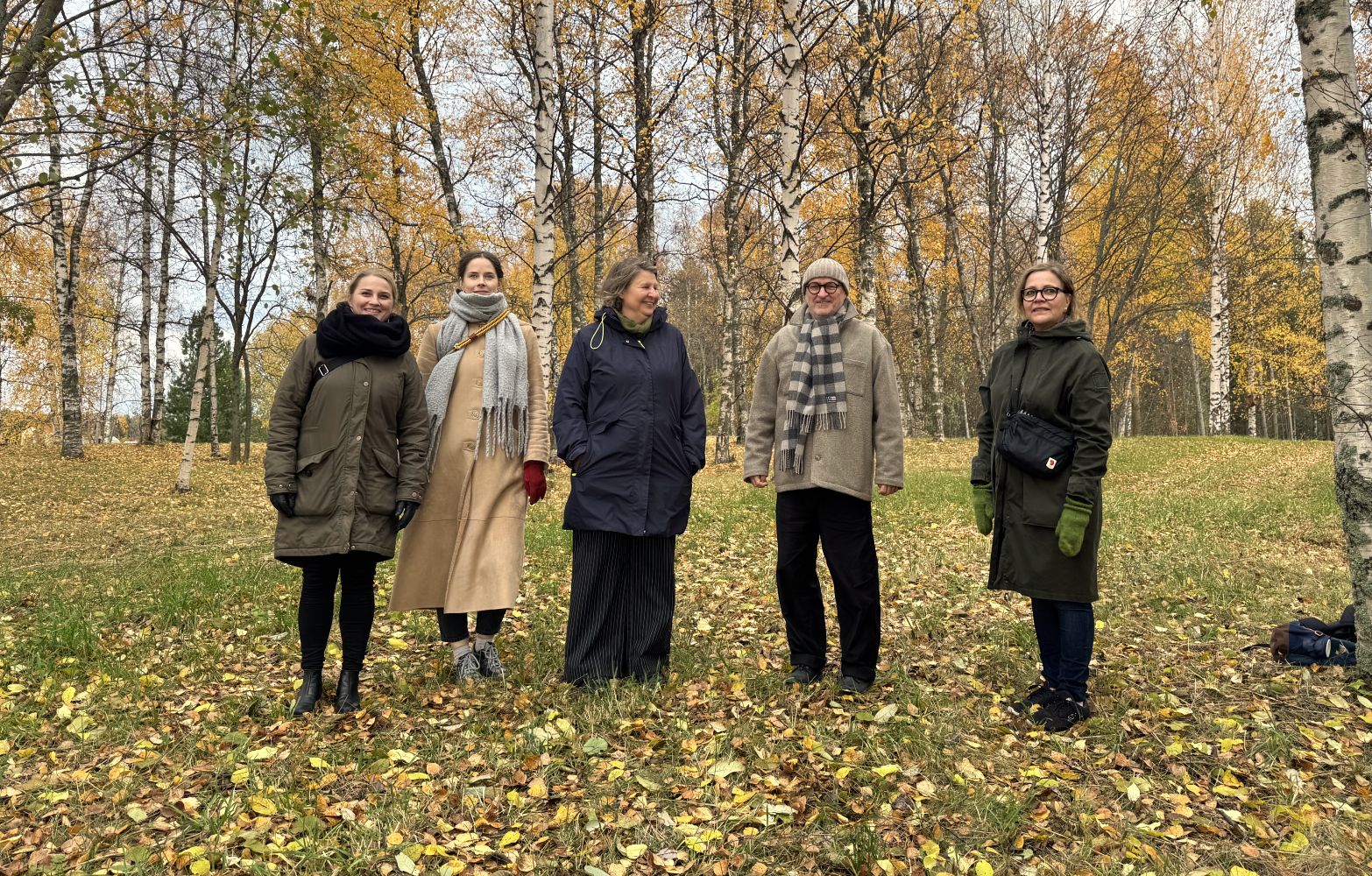
Following the selection process, the artists gathered for a first collective workshop in Oulu in October 2025, beginning a long-term exploration of Pikisaari across different seasons and light conditions. Facilitated by FLASH, the session focused on shared reflection around darkness, light, public space and community engagement in Pikisaari.
Bringing together art, science and local knowledge
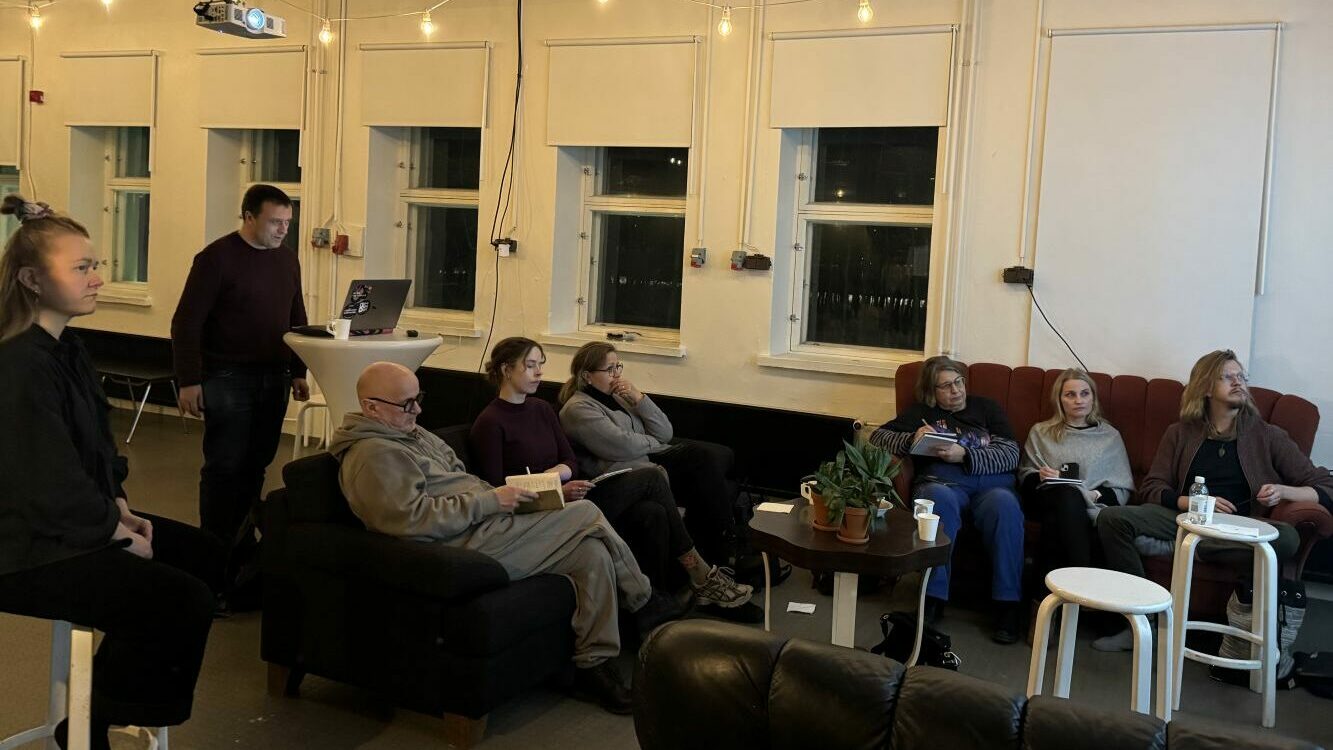
A second workshop phase took place in November 2025, at the threshold between autumn and winter, when darkness becomes increasingly present in northern Finland. The programme brought artists into dialogue with specialists from natural sciences and environmental organisations, including contributions from the University of Oulu, the Oulu Astronomical Association Arktos and the Finnish Association for Nature Conservation Oulu Local Association.
These exchanges explored the relationship between darkness, biodiversity and human perception, while helping artists deepen their understanding of Pikisaari’s natural environment and nocturnal identity.
Community engagement has also continued beyond the collective workshops. Artists have independently met local stakeholders, conducted field research and developed relationships with residents throughout their creative process.
Throughout the process, FLASH has supported the artists’ autonomy while facilitating exchanges with specialists, local organisations and technical experts.
The collaboration between artists, researchers, the City of Oulu and the University of Oulu remains ongoing, with regular opportunities created for mutual exchange and learning.
Five artistic perspectives on darkness and light
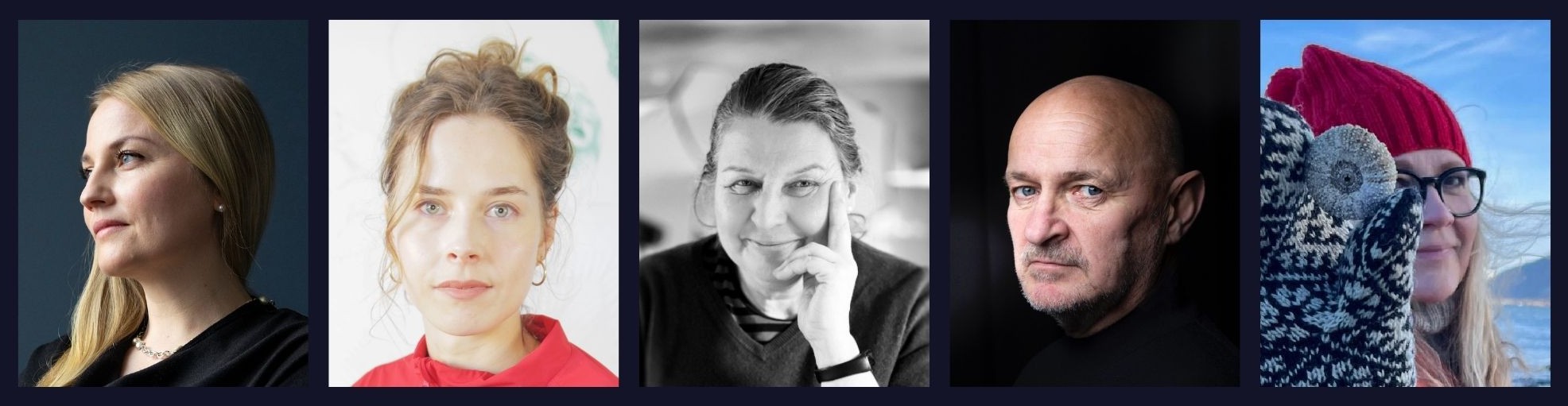
The participating artists each approach darkness and light from distinct perspectives.
Visual artist Anni Laukka draws inspiration from Pikisaari’s layered history and social memory. Known for using unconventional sculptural materials connected to global social issues, Laukka is exploring how local stories and collected materials could become part of a participatory artwork rooted in the area itself.
Anu Raatikainen is developing a work centred on light-sensitive species and the ecological rhythms shaped by darkness. Her project reflects ongoing research into how artificial light affects ecosystems and natural cycles, while investigating how artistic light interventions can exist in nature without disturbing it.
Sculptor Johanna Häiväoja approaches Pikisaari through memory and atmosphere. Her proposed work evokes traces of the island’s maritime past — ghostly sails, fading sounds and fragments of emotional memory that emerge subtly in darkness.
For visual artist Jaakko Niemelä, the process begins with observation of the site, its winter darkness and its collective stories. Combining natural and artificial light in his practice, Niemelä explores how shadows, reflections and memory can be translated into spatial experiences.
Meanwhile, Mollu Heino places participation at the heart of her practice. Conversations with local communities help shape the artwork, while care, compassion and shared experiences developed through the winter months become central elements of her light sculptures.
Building a long-term dialogue around darkness
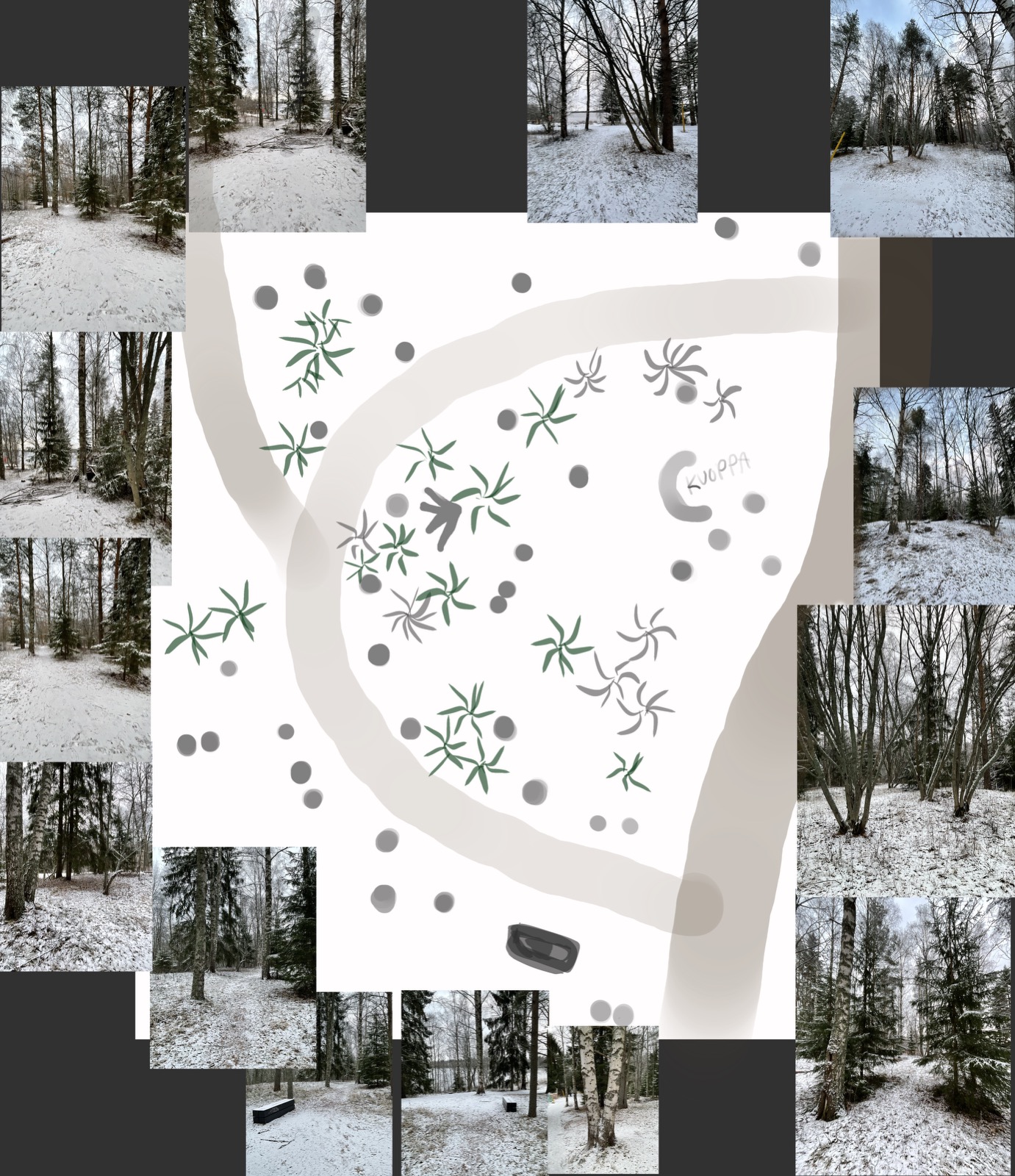
The artists’ work will continue evolving throughout 2026, in connection with other Art of Darkness pilot activities and public events in Oulu.
Their five artworks developed through the Art of Darkness process will be presented in Pikisaari from 7-22 November 2026 as part of the 5th edition of the FLASH Biennial “Veiled Light”, included in the official programme of Oulu2026 European Capital of Culture, and happening alongside the Lumo Light Festival.
FLASH’s contribution to the Art of Darkness project demonstrates how artistic practice can become a tool for ecological awareness, collective reflection and deeper engagement with place. In Pikisaari, darkness becomes a starting point for new ways of observing, listening and imagining together.
Images: © Finnish Light Art Society FLASH